April 23, 2026 | 12:46 pm
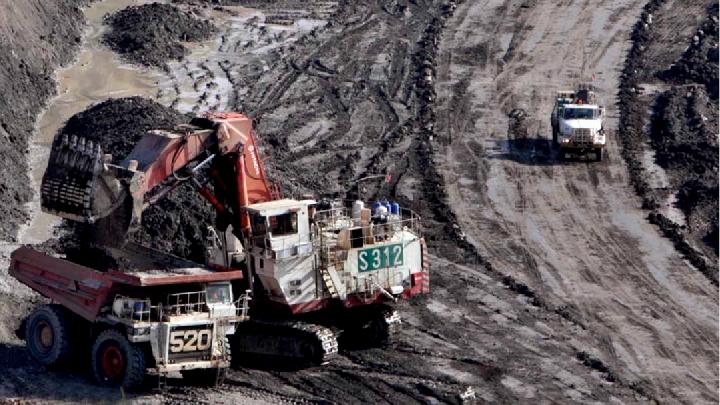
The government decides to cut coal production. There is no transparency with regards to quota allocation.
AS oil supplies dwindled due to the Iran-Israel conflict, the government slashed coal production. This would have been a reasonable policy if it were supported by an energy transition that pushes the development of new, renewable energy sources. The problem is that the production cut is merely a reduction in volume without a long-term strategy.
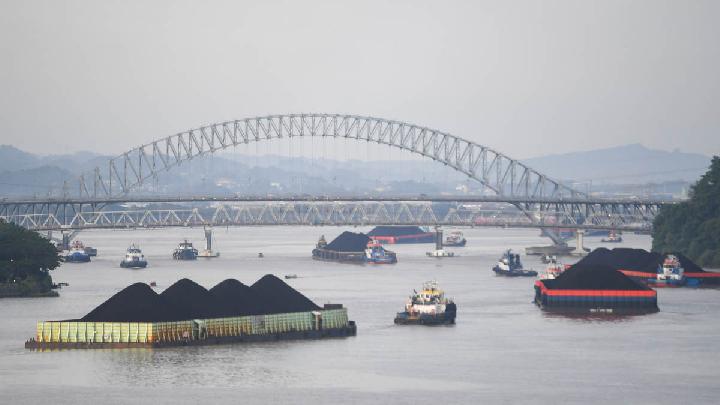
Energy transition is not the objective either. Minister of Energy and Mineral Resources Bahlil Lahadalia cut this year’s coal production target by 24.1 percent, down from 2025’s 790 million tons, in hopes of raising the commodity’s price and boosting state revenue. Again, this seems like a reasonable goal given that Indonesia supplies 40 percent of the world’s coal. And yet, reality says otherwise.
The benchmark for international coal prices is the Newcastle Coal Index, which is based on Australia’s high-calorie coal. This is why, when the Indonesian government announced it would curb production, coal prices did not increase but instead declined. There was also no buying spree of Indonesian coal that would have increased demand.
Other countries have long been preparing for the energy transition. They are no longer heavily reliant on coal, which is a major contributor to the climate crisis. Over the past five years, the International Energy Agency (IEA) has recorded significant growth in solar and wind energy worldwide. That is why when coal supplies are scarce, these countries already have cleaner alternatives ready.
In today’s fragile economy, restricting coal production only reduces foreign exchange revenue. Alongside palm oil and nickel, coal remains a key source of export revenue for Indonesia. Bank Indonesia relies on these foreign exchange reserves to conduct market operations and interventions to stabilize the rupiah, whose value continue to weaken against other currencies.
Last year, the value of Indonesia’s coal exports amounted to Rp420.5 trillion (around US$24.7 billion), which was a 19.7 percent decline compared to the previous year. This decrease was not only driven by lower volumes due to production cuts, but also by the coal’s weakened prices in global markets. Lowering production even further this year would only put state revenue under even greater pressure.
In other words, this year’s reduction in coal production is more likely to harm Indonesia than benefit it, especially when the cut lacks transparency.
Production quotas for some companies have been reduced by 30 to 40 percent, and in some cases by as much as 80 percent. At the same time, several large companies had their proposed production quotas approved without clear or rigorous selection. These are firms linked to major business figures with close ties to the people power.
One example is Adaro Indonesia, which is owned by businessman Garibaldi Thohir, the brother of Youth and Sports Minister Erick Thohir. There are also Arutmin and Kaltim Prima Coal, both owned by former Golkar Party General Chair Aburizal Bakrie, who is a “senior” political figure of Energy Minister Bahlil Lahadalia. Without clear explanations about the quota allocations, it becomes difficult to justify the production cut policy as transparent and accountable.
Companies whose production quotas were not reduced are mostly those with Special Mining Business Permits (IUPK), a continuation of Coal Mining Concession Work Agreements (PKP2B). These PKP2B-derived permits have also been extended to community and religious organizations, such as Nahdlatul Ulama, which was “blessed” with mining concessions granted by the Prabowo Subianto administration.
Policies and strategic decisions made during times of crisis can carry serious consequences. If poorly designed, they are harmful not only to the state’s energy security, but also to its economic resilience.
Why Cloud Computing Still Runs on Coal and Gas
20 jam lalu
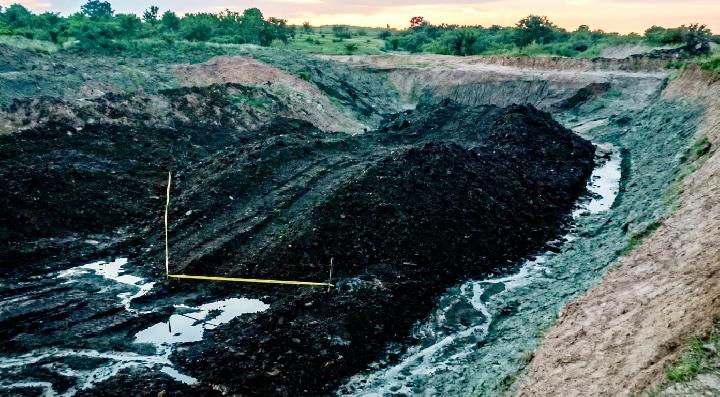
Renewable energy is increasingly being used to supply power-hungry data centers.
The Forest Enforcement Task Force Above the Law
6 hari lalu
The Forest Area Enforcement Task Force detains Samin Tan, becoming an instrument of pressure rather than transparent law enforcement.
Flying Documents of Coal Tycoon Samin Tan
7 hari lalu
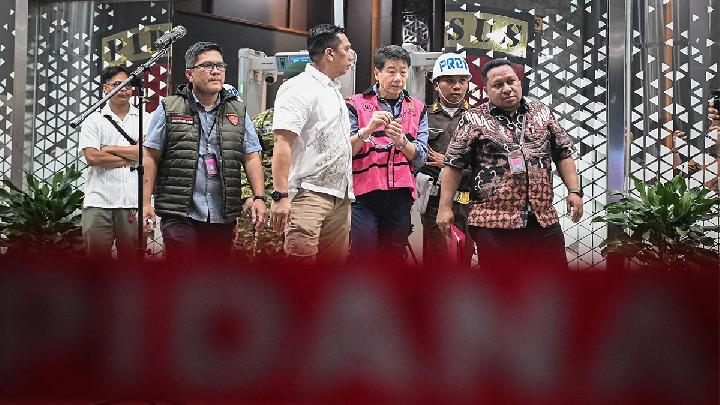
The Attorney General's Office detained Samin Tan after he failed to negotiate with the Forest Area Enforcement Task Force.
Indonesia's Coal Production Nears 600 Million Tons
15 hari lalu

Bahlil Lahadalia previously said Indonesia will cut coal production in 2026.
Indonesia to Gradually Ease Coal Production Curbs
26 hari lalu
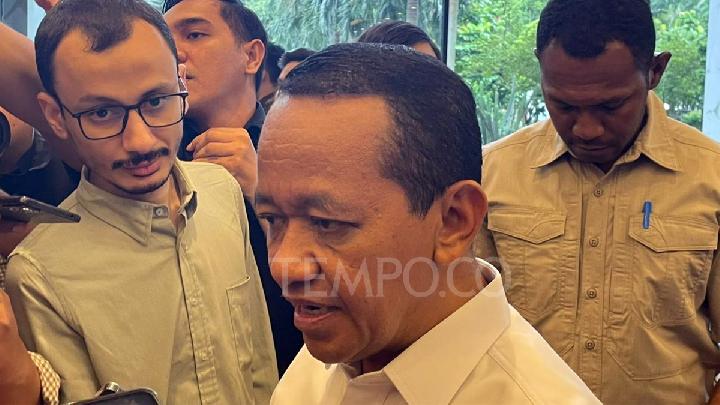
Minister Bahlil ensures that the government has not issued a new policy regarding the Coal Work Plan and Budget (RKAB) for 2026.
How Indonesian Gov't Keeps Budget Deficit Below 3%
34 hari lalu

The Indonesian government is implementing several measures to keep state budget deficit below 3% amidst rising global prices.
Today's Top 3 News: 50,000 Tons of Illegal Coal Stockpile Along Mahakam River
27 Januari 2026
Here is the list of the top 3 news on Tempo English today.
Authorities Unveil 50,000 Tons of Illegal Coal Stockpile Along Mahakam River
21 Januari 2026

A significant illegal coal stockpile has been found in six different locations, scattered across special coal ports.
Indonesia to Cut 2026 Coal Output to 600 Million Tons
9 Januari 2026

Energy Minister Bahlil Lahadalia mentioned that the coal production reduction aims to stabilize the prices.
The High-Stakes Moment for the Commodities Business
8 Januari 2026
The outlook for commodities such as coal, nickel, and palm oil in 2026 is bleak, an alarm for small players.