August 7, 2026 | 07:06 am

TEMPO.CO, Jakarta – U.S. President Donald Trump signed two executive orders on Thursday, August 6, to further restrict birthright citizenship and ban so-called "birth tourism," Deutsche Welle (DW) reported. The move comes two months after the U.S. Supreme Court struck down Trump's previous attempt to limit automatic citizenship for children born on U.S. soil.
Speaking at the White House, Trump criticized the Supreme Court's 6-3 ruling, calling it "very, very unfortunate."
"It was close, but a very, very unfortunate decision," Trump said of the court's ruling.
The June decision rejected Trump's earlier effort to challenge the constitutional provision guaranteeing birthright citizenship. While the White House argues the latest executive orders target narrower categories than the previous policy, they are expected to face legal challenges.
Birthright Citizenship Protected by the Constitution
Birthright citizenship is protected under the 14th Amendment of the U.S. Constitution, which states that "all persons born or naturalized in the United States, and subject to the jurisdiction thereof, are citizens of the United States."
The provision grants automatic citizenship to nearly everyone born on U.S. soil, with narrow exceptions such as children of foreign diplomats.
Overturning that constitutional guarantee has been one of the pillars of Trump's hardline immigration agenda. He campaigned on ending birthright citizenship, attended Supreme Court oral arguments in the case, and argued that the policy fuels illegal immigration through birth tourism while posing a national security risk.
The Supreme Court, however, rejected the administration's arguments in a 6-3 ruling in June.
Despite the ruling, Trump insisted the amendment was never intended to address modern immigration.
"This was done for a different reason. This was done right after the Civil War. This was for the babies of slaves, and what's happening now?" Trump said.
What Do the New Executive Orders Cover?
According to DW, one of the executive orders seeks to deny birthright citizenship to children of members of "foreign terrorist organizations" as well as "large categories of people who lobby and act on behalf of foreign governments."
White House Deputy Chief of Staff Stephen Miller, a key architect of Trump's immigration policies, said the measure "ensures that large numbers of people who wrongly (would) be getting birthright citizenship will no longer be eligible for those benefits."
The second executive order targets what Trump calls "birth tourism," the practice of foreign nationals traveling to the United States to give birth so their children automatically receive U.S. citizenship.
"That practice of birth tourism is, as of the signing of this order, hereby banned. What that means is that no one in the world is anymore allowed to obtain a visa for this fraudulent purpose," Miller said.
According to DW, there are no official figures on how many foreign nationals travel to the United States specifically to give birth. However, the conservative Center for Immigration Studies estimates that between 20,000 and 25,000 mothers did so in 2016 and 2017.
Although no U.S. law explicitly bans birth tourism, a federal regulation introduced during Trump's first term in 2020 prohibits people from using tourist or business visas if their primary purpose is to obtain U.S. citizenship for a newborn.
New Orders Likely to Face Court Challenges
The White House argues the new executive orders do not fall within the limits of the Supreme Court's ruling because they address narrower categories than Trump's previous policy.
Still, the measures are expected to be challenged in court.
"I thought we were going to win it at the Supreme Court," Trump said. "Unfortunately, we had a bad decision, very unfair decision. Our country suffers because of it and we’re ending it a different way."
The latest executive actions mark Trump's renewed effort to reshape U.S. birthright citizenship through executive action despite the Supreme Court's recent reaffirmation of constitutional protections.
Why Iran Is Sending Mixed Signals on Talks
51 menit lalu
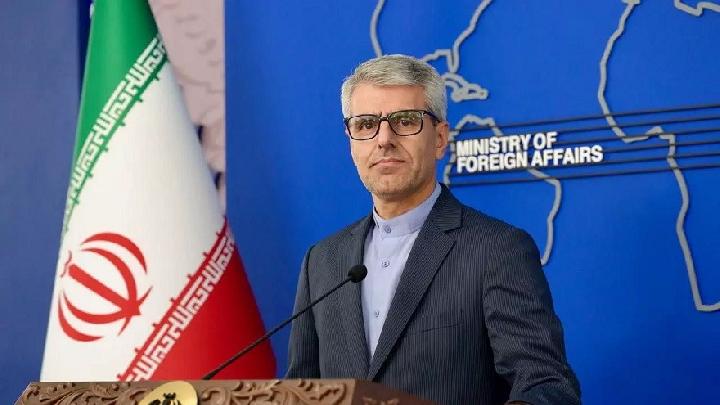
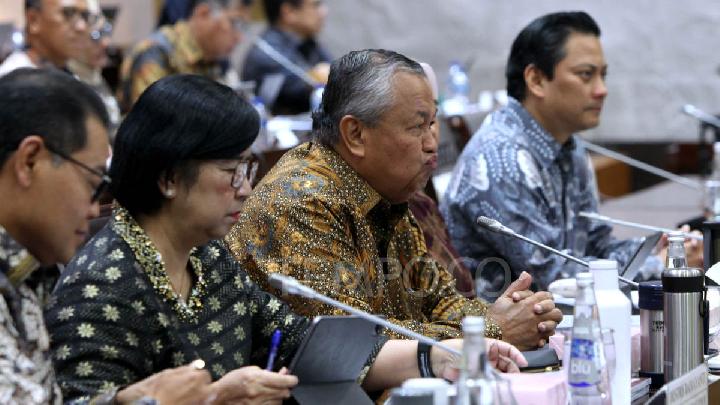
Trump says US-Iran talks are underway. Tehran says talks are with Oman, not Washington. Analysts say competing political pressures drive both claims
Iran Says Strait of Hormuz Deal Is in 'Final Stage'
14 jam lalu
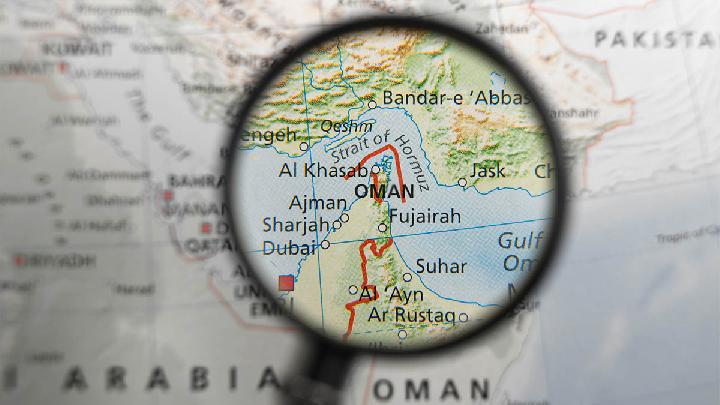
Iran's Foreign Ministry says a deal with Oman to reopen the Strait of Hormuz will come very soon on conditions.
Trump Says Strait of Hormuz Will Reopen Soon, Warns Iran
1 hari lalu
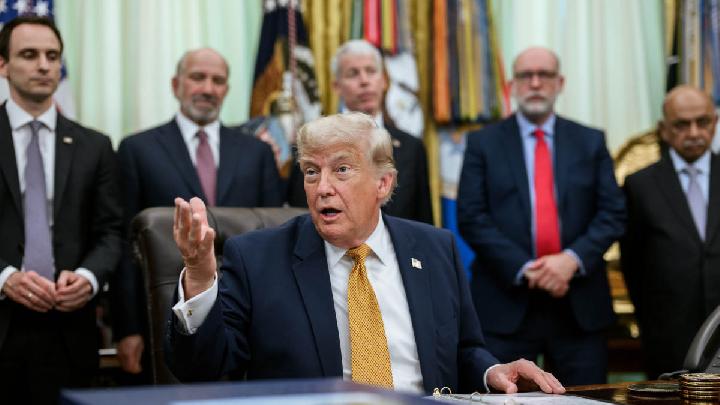
U.S. President Donald Trump said on Tuesday the Strait of Hormuz would be reopened "very soon" as negotiations with Iran continue.
New Gaza Peace Plan: Will US Pressure Israel to Accede?
2 hari lalu
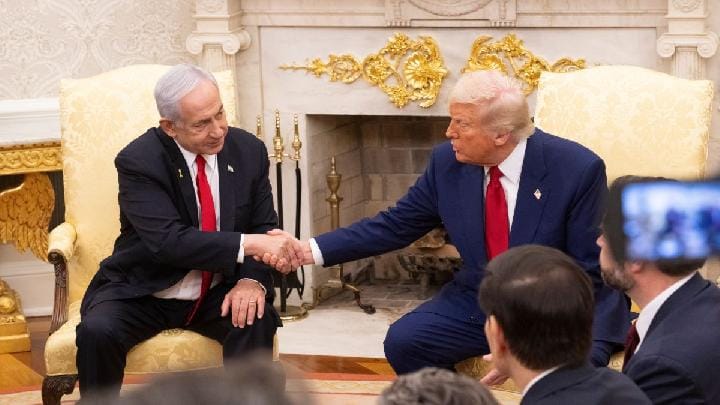
Reports suggest US President Donald Trump would be "very disappointed" if Israel doesn't agree to a new peace plan for Gaza, announced last week
White House Revokes Visa of Brazil's US Ambassador: Reports
2 hari lalu

The administration of Donald Trump has moved to revoke the visa of Brazil's ambassador to the US, reports say.
Iranian President Pezeshkian Denies Resignation Rumors
2 hari lalu
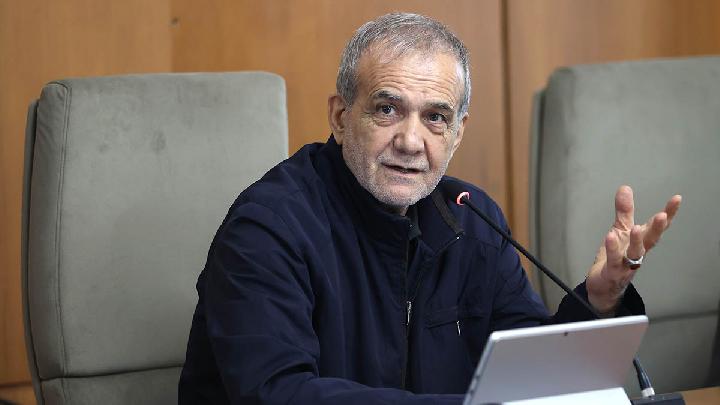
Iranian President Masoud Pezeshkian refutes rumors of his resignation amid ongoing conflict with the US.
Trump Urges US Oil Companies to Cut Retail Prices Immediately
2 hari lalu
U.S. President Donald Trump urged oil companies in his country to lower fuel prices for consumers as soon as possible.
Trump's Justice Department Interference Creates New Legal Problems
2 hari lalu

Trump's interventions in the Justice Department spark legal setbacks, complicate criminal cases, and cloud Todd Blanche's confirmation.
US: 25 States Sue Over Trump's New Tariffs
2 hari lalu

Democratic-led states challenge Trump's tariffs over alleged forced labor imports; the White House says they're legal.
Trump's Approval Rating Hits Second-Term Low Ahead of US Midterms
2 hari lalu

Trump's approval rating has fallen to its lowest level of his second term, raising pressure on Republicans ahead of the US midterms.