January 19, 2026 | 10:07 am
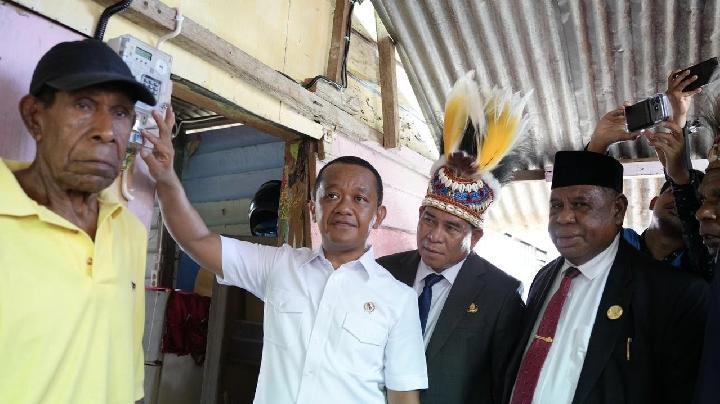
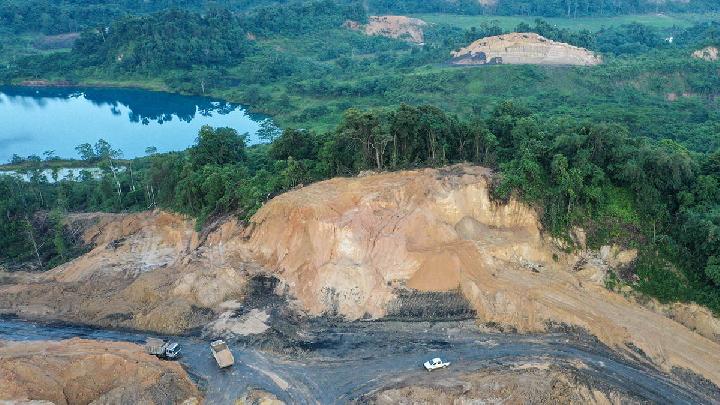
TEMPO.CO, Jakarta - Throughout late 2025, representatives from Pupuk Indonesia made two visits to Wamosan and Otoweri villages in Tomage District, Fakfak Regency, West Papua. They surveyed forest areas in Tomage, land targeted for the construction of several factory units. Pupuk Indonesia, the state-owned holding company for the fertilizer sector, received a government mandate to develop a fertilizer industrial zone in Papua. The company appointed its subsidiary, Pupuk Kalimantan Timur, better known as Pupuk Kaltim, to execute the project.
Salis Rumaelan, a resident of Wamosan village, said the company offered compensation money in exchange for building the factory. The project site lies between two villages with a combined population of about 1,000 people from nine clans. “This is the first time a company has come into our area,” said the 37-year-old man, speaking to Tempo by phone on Thursday, January 15, 2026.
Tomage District became the third proposed site for the fertilizer project in Papua. Initially, the plant was planned for Teluk Bintuni Regency, a natural-gas hub and the main feedstock for ammonia used in urea production. But Bahlil Lahadalia, who was then Minister of Investment and Head of the Investment Coordinating Board, suddenly moved the project to Fior and Andamata villages in Arguni District, still within Fakfak Regency. President Joko Widodo led the groundbreaking ceremony there on November 23, 2023. For Bahlil, Fakfak held deep personal significance as the place where he grew up.
In Fior, construction was scheduled to begin in the second quarter of 2024, with commercial operations projected for 2027. The production facilities were estimated to cost Rp28.4 trillion (about US$1.7 billion). The plant, located on land belonging to the Mbaham Matta indigenous community, was designed to produce 825,000 tons of ammonia and 1.15 million tons of urea annually.
Government Slashes Subsidized Fertilizer Prices by 20 Percent
22 Oktober 2025
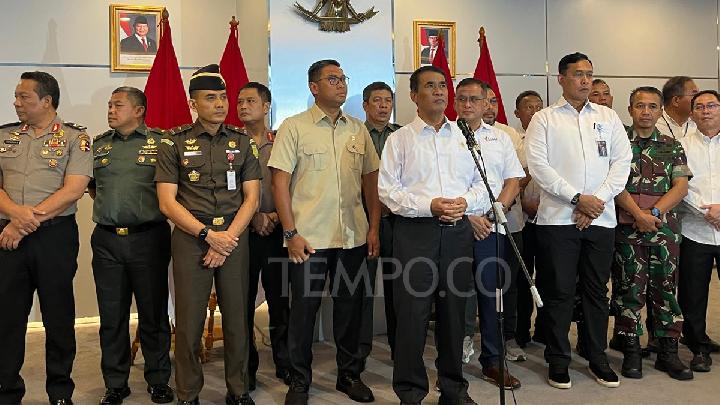
Minister of Agriculture Amran Sulaiman ensures that the reduction in subsidized fertilizer prices does not burden the state budget.
PT Pupuk Indonesia Spends Rp116 Trillion to Revitalize and Build Factories
25 Maret 2025

The President Director of PT Pupuk Indonesia, Rahmad Pribadi, revealed the company's plan to revitalize factories with a total budget reaching Rp 116 trillion.
Prabowo Allows Imports to Fulfill Subsidized Fertilizer Needs
9 Februari 2025

Indonesian President Prabowo Subianto allows imports to meet subsidized fertilizer needs.
11 Dismissed Agriculture Ministry Staff Accused of Distributing Fake Fertilizer
27 November 2024

11 employees who have been dismissed previously held positions as directors, officials at level II and III, and staff who processed fertilizer procurement.
February Rice Production Plummets, Minister: It's a Food Emergency
13 Maret 2024

The Ministry of Agriculture is attempting to increase rice production to anticipate the continued decline in rice production in 2024.
Indonesian Govt Reveals Plans to Increase Domestic Rice Production Amid Shortage
20 Februari 2024

Minister of Agriculture claimed to have prepared a number of plans to up domestic rice production after failure to obtain additional spending.
Jokowi Raises Fertilizer Subsidy Budget by Rp14 Trillion
6 Februari 2024

Coordinating Minister for Economic Affairs Airlangga Hartarto said that the government has raised the fertilizer subsidy budget by Rp14 trillion.
Govt Blocks Rp50.14 trillion of State Budget to Fund BLT
6 Februari 2024

Rp50.14 trillion of the ministry/agency budget has been blocked in order to become one of financial sources for the unconditional cash transfer (BLT)
Non-subsidized Fertilizers Sold at 40% Discount in Ngawi as El Nino Subsides
17 Januari 2024

Non-subsidized fertilizers are sold at lower prices during a discount event in Ngawi, East Java.
Jokowi Pledges to Increase Fertilizer Subsidies to Boost Production
13 Desember 2023

President Joko "Jokowi" Widodo pledges to immediately increase fertilizer subsidies in response to the shortage of the commodity.