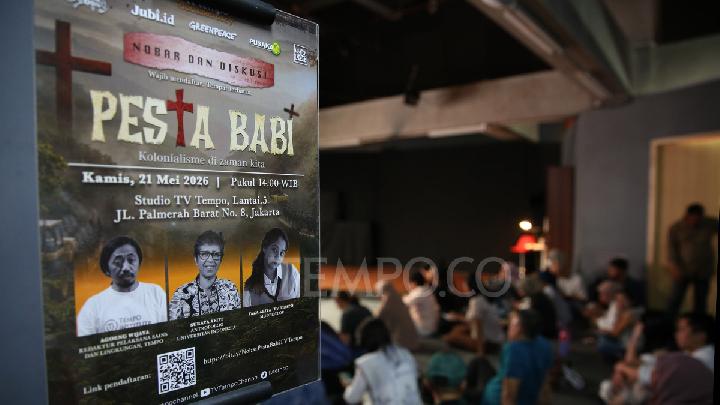
The attempt to pit an actor and the filmmakers of the Pesta Babi against each other only proves that there is colonialism in Papua. It is a brazen divide-and-rule tactic.
THE police report filed against the filmmakers of Pesta Babi (Pig Feast) by Yasinta Moiwend validates the main thesis that forms the subtitle of this documentary: colonialism in our time. A primary characteristic of colonialism is the pitting of native people against each other, as was done by its most popular figures, Snouck Hurgronje in Aceh and C.C. Berg di Java.
Both were scholars dispatched by the Dutch colonial government to study the Nusantara (archipelago) in order to subdue it. Hurgronje was an anthropologist and Islamic scholar, while Berg was a philologist. Hurgronje’s research in Aceh birthed the divide et impera strategy that fractured the ulee balang (secular nobility) from the ulema. Meanwhile, Berg engineered the myth of historical enmity between the Sundanese and Javanese traditions through his analysis of the Bubat War.
The result of their “work” was a never-ending cycle of internal friction across the archipelago. Yet, what is happening in Papua today is far more barefaced than the divisive tactics of the Dutch colonial administration. In Papua, Mama Yasinta is being “used” to delegitimize the main message of Pesta Babi: how military operations and food estate projects are ravaging the region’s ecosystem.
A person who from the very beginning opposed the food estate project, a mother who fought to defend the customary lands as a living space, a woman who spoke out loudly about the critical importance of Papua’s forests for Indonesia, has suddenly turned around to dismantle everything she stood for. It is too vulgar to call the sequence of activities from when she lost contact with her family on May 24, 2026, visited an Indonesian Military (TNI) post, and then was flown on a private jet to Jakarta to report the activities of civil activists to the police a coincidence.
Mama Yasinta’s U-turn goes to show even more clearly that the food estate project in Papua is no trivial project. As well as being run by a company belonging to Andi Syamsuddin Arsyad, a tycoon close to President Prabowo Subianto, the project is being backed by the military and the police. This boundless state power is suppressing the voices of indigenous Papuans. Mama Yasinta is simply a devious tool to silence them.
Consequently, expecting the police to investigate allegations of intimidation against Mama Yasinta is a fool’s errand. The police are inherently part of the script to delegitimize the message of Pesta Babi. As both an actor in the documentary and an indigenous figurehead who symbolized resistance against the 2.7-million-hectare mega-project, Mama Yasinta is the perfect weapon to dismantle the barriers threatening President Prabowo’s flagship project.
Food and energy self-sufficiency are Prabowo’s main programs. After the failure of a similar project in Central Kalimantan while he was Defense Minister, Prabowo shifted his attention to Papua. He has ordered his ministers to transform the wetlands of South Papua into paddy fields and convert forests into oil palm plantations to feed his biodiesel ambitions. The film Pesta Babi could become a stumbling block to achieving these goals.
In truth, Pesta Babi is neither the first nor the only journalistic work to expose the exploitation of Papua to the global community. A series of investigative reports by Tempo and the documentary films Dines Lingkungan (The Environmental Patrol) on YouTube had repeatedly brought these issues. Mama Yasinta even first came to public attention through an interview in this documentary.
Therefore, trying to shut down Pesta Babi by delegitimizing its key figures is like building castles in the air. Whatever lies behind Mama Yasinta’s motives only hardens civil resistance. Indonesia has a long history of fighting colonialism.
Death Toll of World War II Bomb Explosion in Papua Rises to 6
6 hari lalu
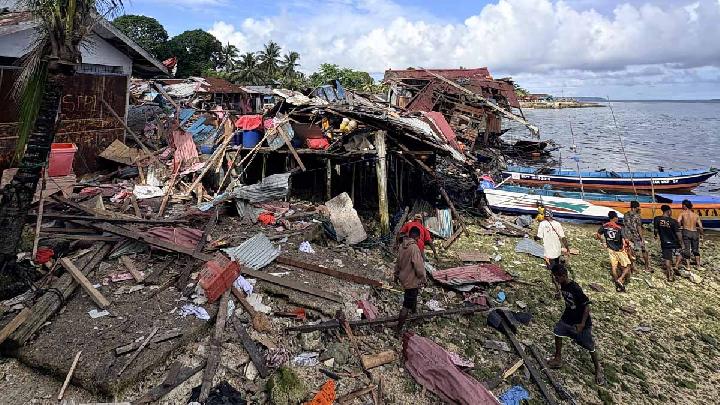
The deceased victim succumbed to injury after a World War II bomb explosion in Papua.
Chronology of Deadly World War II Bomb Explosion in Papua
7 hari lalu
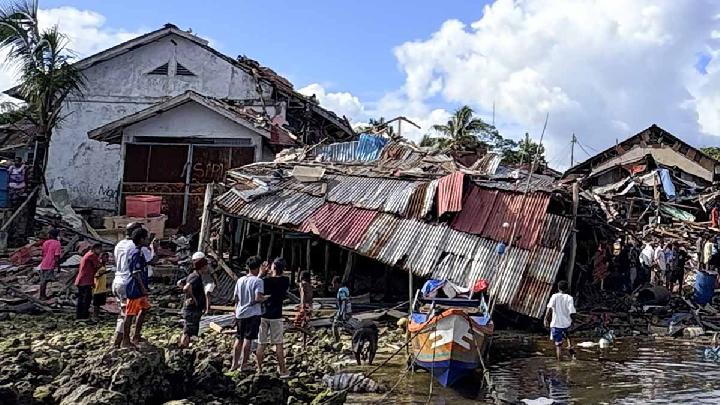
A wartime relic from World War II exploded in Biak Numfor, Papua, killing five people, injuring 19, and leaving three others missing on the coast.
WWII Bomb Explosion in Papua Kills Five, Three Missing
8 hari lalu
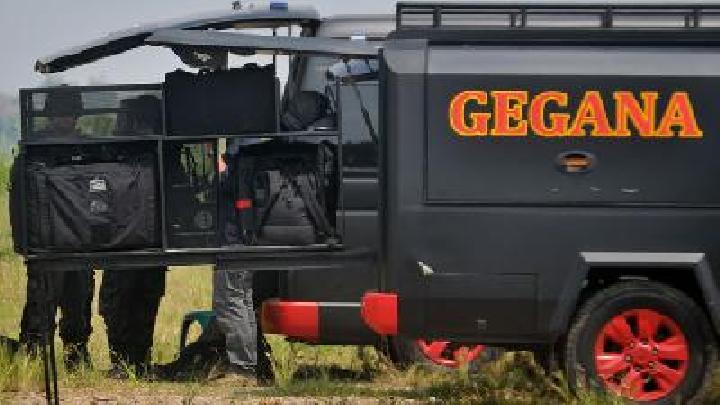
The explosion of a World War II era bomb in Biak, Papua, has resulted in the deaths of five civilians, with three people still missing.
Family Loses Contact With Papua Activist Yasinta Moiwend
8 hari lalu
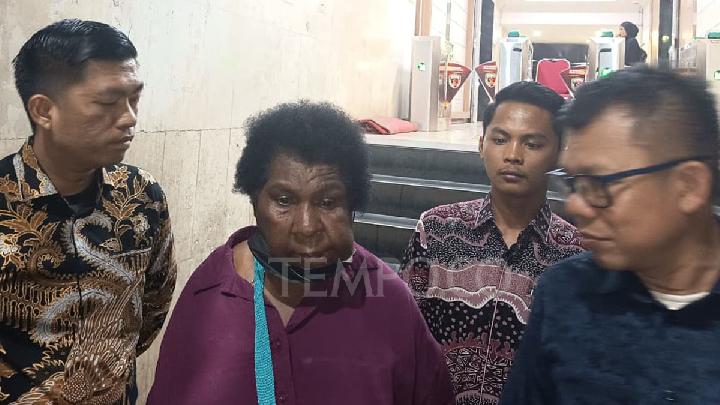
The family claims to have lost contact with Yasinta Moiwend since May 24, after the Papua activist was taken to Jakarta.
Gold Panners Killed in Papua: Why Does TPNPB-OPM Target Them?
17 hari lalu

TPNPB-OPM has claimed responsibility for the deaths of eight gold panners in Yakuhimo, Papua.
Fact Check: Is "Pesta Babi" Documentary Film Funded by Foreigners?
19 hari lalu
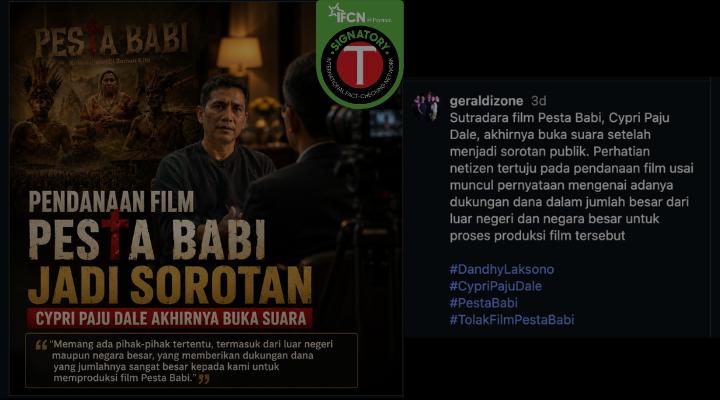
Director Cypri Dale clarified that his "Pesta Babi" documentary film was not funded by foreign nations.
The Army Is Not an Entertainment Curator
20 hari lalu
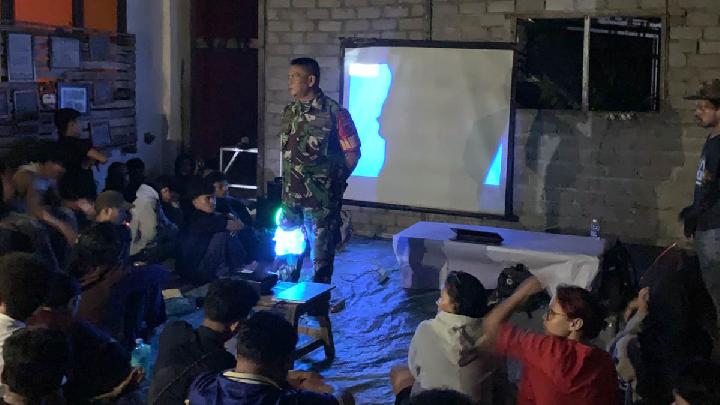
Soldiers should not be allowed to halt the screening of a film. People need to be given the opportunity to watch it and judge for themselves.
How the Military Blocked Screenings of Pig Feast
21 hari lalu

Pig Feast, a documentary film depicting Indigenous Papuan communities against the Indonesian government's food estate project.
No Ban on 'Pesta Babi' Film Screening, Says Rights Minister
25 hari lalu
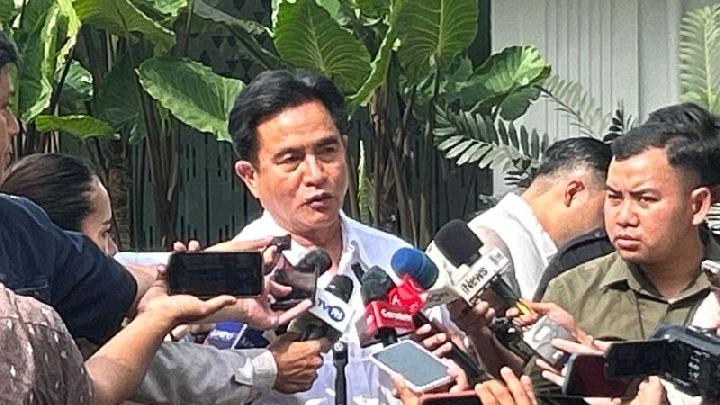
Coordinating Minister Yusril Ihza Mahendra clarifies that the government has not issued a ban on the documentary 'Pesta Babi.'
Today's Top 3 News: Solar Flare, Papuan Student Protest
27 hari lalu

Here is the list of the top 3 news on Tempo English today.