Sufmi Dasco Ahmad’s intervention to stem the decline of the rupiah risks compromising Bank Indonesia’s independence.
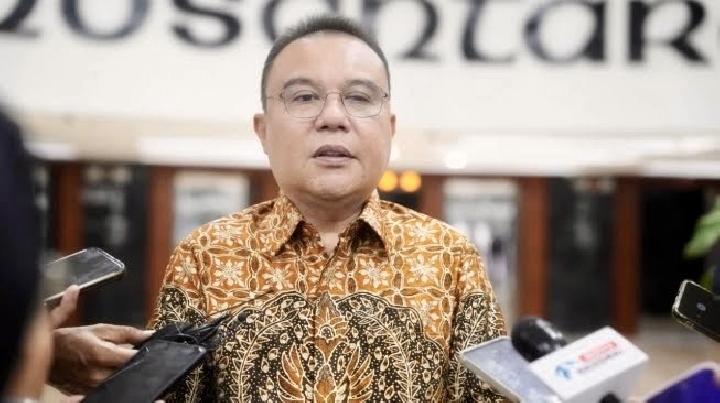
THE move by Deputy Speaker of the House of Representatives, Sufmi Dasco Ahmad, to summon the heads of several state institutions showed yet another example of poor governance under Prabowo Subianto’s administration. In addition to interfering with the authority of executive agencies, this action could further erode market confidence in Indonesia’s economic management.
Dasco brought together Finance Minister Purbaya Yudhi Sadewa and Bank Indonesia Governor Perry Warjiyo to discuss the fiscal and monetary situations that caused the rupiah’s exchange rate to plummet on Saturday two weeks ago. While he claimed to be merely facilitating the meeting, the move was inappropriate since Dasco serves as the House’s Deputy Speaker for political and security affairs.
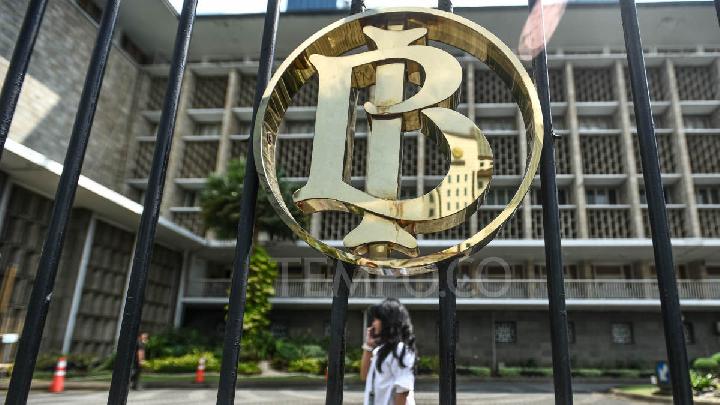
Furthermore, summoning the Governor of Bank Indonesia could be regarded as interference in the central bank’s affairs. This is especially true given that the Constitution stipulates that Bank Indonesia is an independent state institution, free from interference by the government or any other party.
Any effort that could interfere with Bank Indonesia is not to be taken lightly. If the central bank’s independence is compromised, the credibility of Indonesia’s economy could be undermined. Central bank independence has long been an anchor of investor confidence in Indonesia. Investors may lose confidence in Bank Indonesia’s ability to issue objective monetary policies if it is easily subject to interference.
The market’s negative reaction to the erosion of the central bank’s independence was already apparent when President Prabowo Subianto’s nephew, Thomas A.M. Djiwandono, was appointed Senior Deputy Governor of Bank Indonesia in early February 2026. Thomas’ appointment made it dubious if Bank Indonesia could remain independent as a monetary authority. Market confidence subsequently wavered. At that time, the Indonesian Stock Exchange Composite immediately plunged into the red zone while the rupiah weakened.
Not only did Dasco’s move of summoning Perry Warjiyo undermine the central bank’s independence, it also infringed on the authority of another institution. The Financial System Stability Committee (KSSK) is tasked with monitoring financial system stability and managing financial system crises. Its members consist of the Finance Ministry, Bank Indonesia, and the Financial Services Authority (OJK). This means that all matters of fiscal and monetary coordination to maintain fiscal stability are discussed with the KSSK, not at the parliament building.
Dasco has repeatedly interfered in executive affairs by summoning government agencies in the financial sector. Most recently, he summoned government officials, representatives from the Association of State-Owned Banks, Daya Anagata Nusantara (Danantara), and the Indonesia Investment Authority to discuss the performance of banking stocks. The meeting resulted in a plan to buy back shares in state-owned companies listed on the stock exchange.
During that meeting, Dasco blurred the lines of his role at the legislative body overseeing the executive branch. Instead of exercising oversight, he acted as if he were part of the executive branch. He acted more as the Executive Chair of the Central Board of Gerindra Party—the ruling party—rather than as a Deputy Speaker of the House.
Dasco’s various maneuvers have so far failed to restore market confidence. On the contrary, they sent signals indicating that monetary and fiscal policies are driven more by political interests than by technocratic considerations. What is certain, however, is that these various measures could prove to be a major blunder amid mounting concerns about fiscal sustainability and the direction of national economic policy.
MSCI Cites Forex Market Issues in Indonesia Review
1 jam lalu
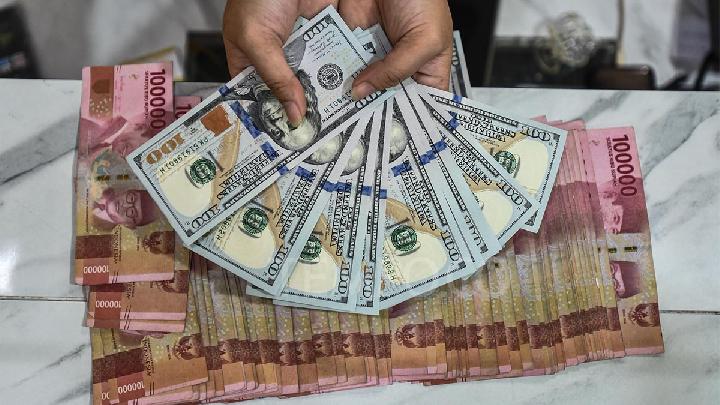
MSCI assesses the liberalization of the foreign exchange market in relation to the ease of capital inflows and outflows.
BI to Limit Dollar Purchases to US$10,000 per Month Starting July
6 jam lalu
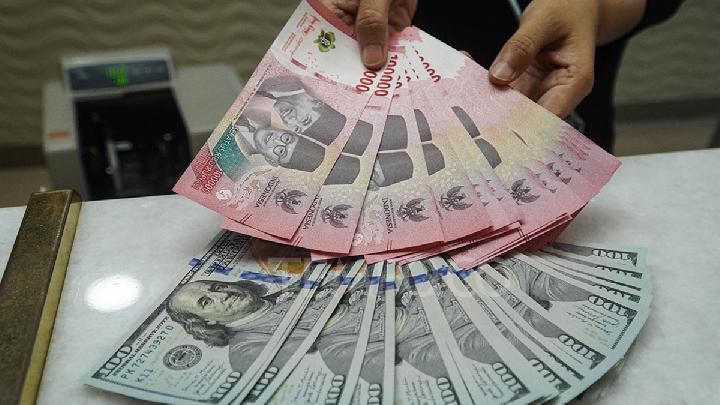
BI will lower the limit for foreign currency purchases against the rupiah without underlying documents to a maximum of US$10,000 per person per month.
Did Bank Indonesia Rate Hikes Attract Foreign Inflows?
17 jam lalu
Indonesian bond market still records Rp13 trillion in outflows despite Bank Indonesia's multiple rate hikes.
Danantara on Prabowo-State Bank Bosses Palace Meeting
19 jam lalu

Prabowo summoned state bank bosses as Bank Indonesia announced a hike on its benchmark interest rate by 25 basis points to 5.75 percent.
Bank Indonesia Tightens FX Transactions Without Underlying to US$10,000
20 jam lalu
This policy is Bank Indonesia's effort to stabilize the rupiah exchange rate.
Bank Indonesia Hikes Rate Again to 5.75 pct to Save Rupiah
22 jam lalu
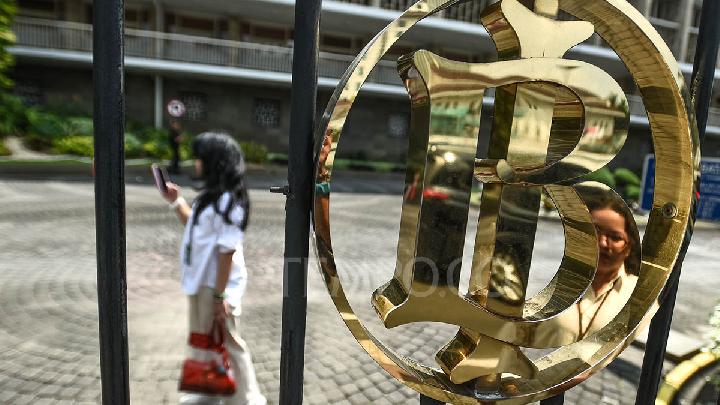
In its previous meeting on June 9, Bank Indonesia lifted the benchmark rate to 5.50 percent as the rupiah was under pressure.
State Treasurer Shake-Up
3 hari lalu
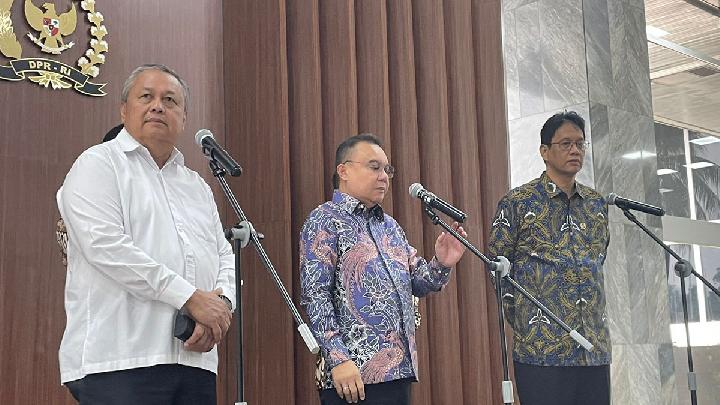
Three candidates were presented to President Prabowo as the potential new finance minister. But a party in the governing coalition opposed the move.
BI: Indonesia's Net Investment Liabilities Fall Amid Stronger US Dollar
6 hari lalu
Bank Indonesia (BI) records Indonesia's International Investment Position (IIP) decline in Q1 2026 amounting to US$ 227.6 billion.
BI: Rupiah Strengthens Below Rp18,000 After Rate Hike
6 hari lalu
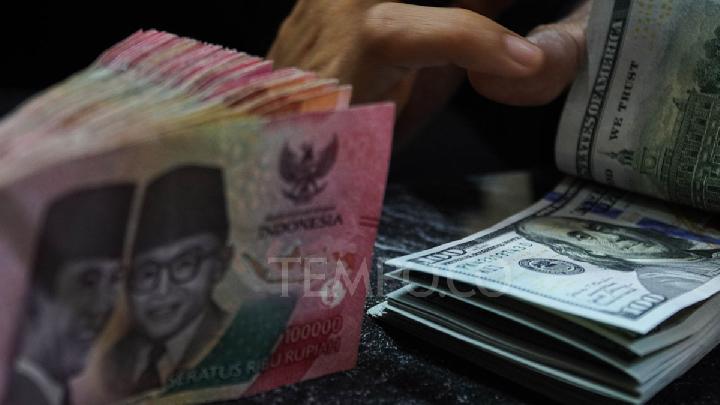
Bank Indonesia (BI) reported that the rupiah has strengthened below Rp18,000 per US dollar following the benchmark interest rate hike to 5.5 percent.
How Bank Indonesia's Rate Hike Brings Foreign Capital Back
7 hari lalu
Bank Indonesia (BI) reported a positive response from foreign investors, with capital returning to SRBI and SBN instruments.