April 27, 2026 | 10:38 am
The government is dipping into its emergency funds, while debt repayments are being delayed. If they resort to printing more money, the onset of hyperinflation will only be a matter of time.
ON the brink of an economic crisis, nothing is more worrying than seeing the amount of available surplus budget balance (SAL) funds plummet. The government’s emergency fund at Bank Indonesia (BI) has shrunk by more than Rp300 trillion (US$17.65 billion) in six months. The erosion of the SAL funds reflects one thing: the government’s cash flow is in dire straits.
SAL funds come from the accumulation of leftover budget funds from previous years, which are kept in reserve. They serve as an emergency fund for covering budget deficits, financial stabilization, and capital investments in state-owned enterprises. As an emergency fund, SAL is the last resort for financing, after expenditure allocations in the State Budget or debt have been made.
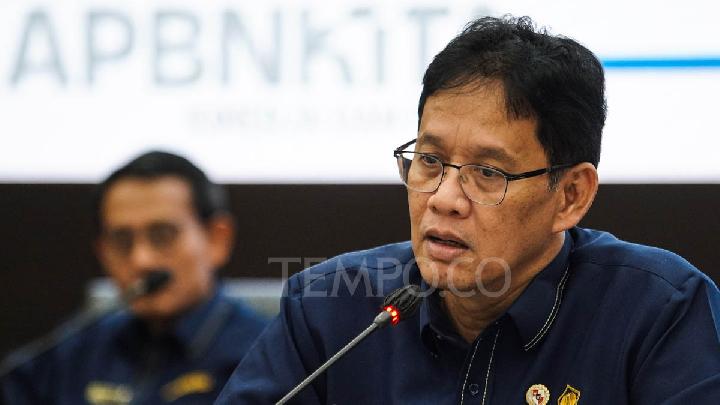
Finance Minister Purbaya Yudhi Sadewa has twice withdrawn SAL funds: Rp200 trillion (US$11.76 billion) and Rp100 trillion (US$5.88 billion). He placed those funds in banks in the hope of increasing credit liquidity and stimulating the business sector. However, after the banks received those SAL funds, the economy stalled, industrial production weakened, and public purchasing power remained low.
The business world is not suffering from a lack of credit, but rather from sluggish purchasing power caused by government spending not prioritizing a productive and labor-intensive economy. By the end of 2025, bank loans had declined by 3 percent over the previous year. As of last month, Rp2,500 trillion (US$147 billion) in loans remained unissued.
Weakened industry has led to a decline in jobs, ultimately causing a decline in purchasing power. This vicious cycle can be broken if government spending focuses on labor-intensive projects. Furthermore, disastrous management, allegations of corruption, the free nutritious meal program, and the Red and White cooperatives, as well as defense spending, which uses 30 percent of tax revenue, have been unable to provide jobs for the 7.4 million unemployed.
Now, the Iran-Israel war is putting further pressure on the economy, caused by the limited supply of crude oil due to the blockade of the Strait of Hormuz. This shortage has driven up oil prices, which causes inflation. The government’s decision to maintain fuel subsidies has resulted in increased spending.
Squeezed inside and out, the state treasury is in shambles as tax revenues have also fallen due to the economic downturn. Another way to increase revenue is to issue new government securities. However, bonds are also unpopular with investors. Capital outflows in the first quarter of this year came to US$1.7 billion, which only returned when the BI issued high-yield short-term securities. Consequently, efforts to raise funds through debt require significant capital investment.
This situation is the result of reckless government policies. Budget cuts are instead used to finance the root cause of the cash flow shortfall: government projects that have no economic multiplier effects. The diversion of funds transferred to regions for the free nutritious meal program and the Red and White cooperative program has led to mass layoffs of government employees with work contracts in many regions. The economy is sluggish, and unemployment is on the rise.
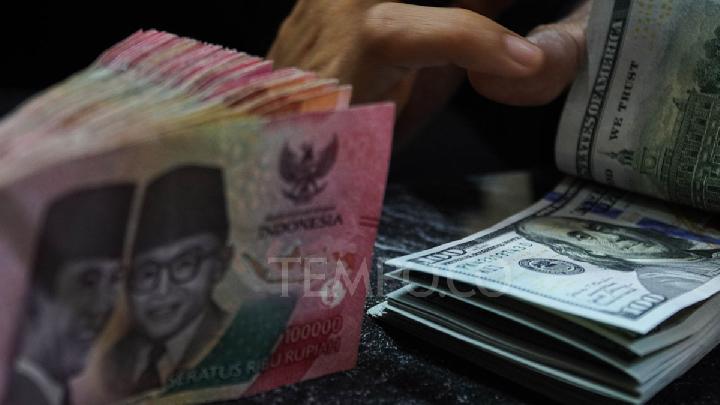
These reckless policies are reflected in the declining index and prospects of various Indonesian economic indicators: debt, investment, and the weakening rupiah exchange rate. Purbaya flew to the United States to convince investors to not continue withdrawing funds from Indonesia. He explained the government’s policy after deriding World Bank economists who had cut Indonesia’s economic growth projection from 5.11 percent to 4.7 percent. The International Monetary Fund (IMF) was so unconvinced that it offered loans—a signal of a hopeless economy.
If we look at government spending in the first quarter, the Rp120 trillion (US$7.06 billion) remaining in the SAL is only enough to cover routine expenditures—such as debt interest, civil servant salaries, and basic needs—for a single month, some observers stretch that to three months. The Prabowo administration is teetering on the brink of bankruptcy.
Bank Indonesia must not resort to its ultimate weapon: saving the economy by literally printing money. Doing so will reduce the value of the rupiah, increase import costs, and even trigger hyperinflation, further weakening the economy.
Former Sritex Workers Protest Delayed Severance Pay, THR
12 Januari 2026
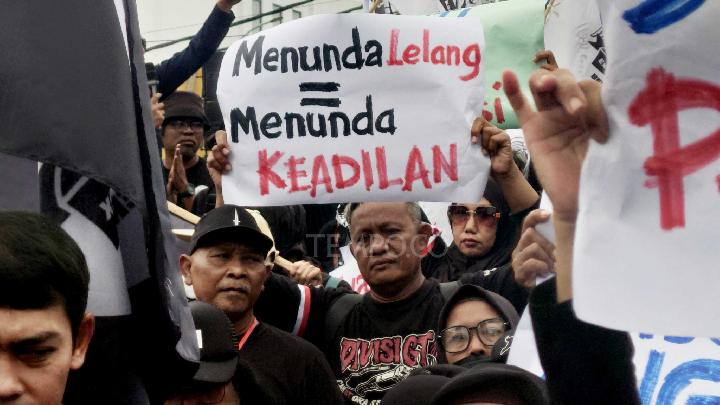
8,475 Sritex ex-workers affected by the mass layoffs are no longer of a productive age and highly dependent on severance pay and holiday allowance.
Unpaid Severance Spurs Former Employees to File Bankruptcy Suit Against Susi Air
24 Desember 2025
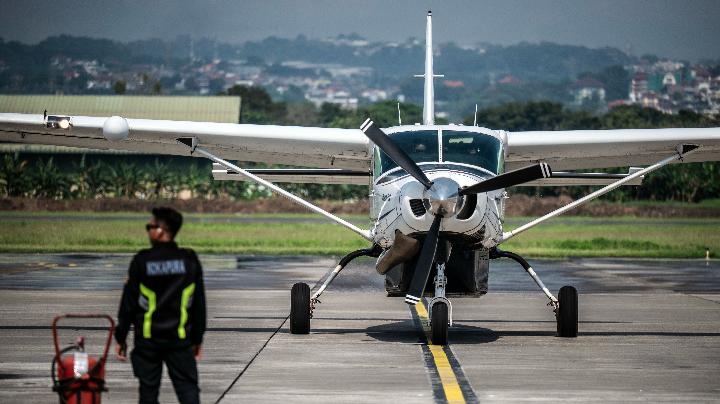
A lawsuit for bankruptcy has been filed because Susi Air has not paid severance and other normative rights.
The Textile Industry Caught in the Middle
27 Oktober 2025

The domestic textile industry is on the verge of collapse as a result of legal imports and smuggled goods.
Another Indonesian Textile Giant SBAT Declared Bankrupt Following Sritex Collapse
17 September 2025

The Central Jakarta Commercial Court has declared PT Sejahtera Bintang Abadi Textile Tbk (SBAT), a West Java-based textile firm, bankrupt.
Indonesia's OJK Shuts Down Three Rural Banks After Bankruptcy
14 September 2025

OJK has revoked the business permits of three banks in Indonesia, consisting of rural credit banks (BPR) and sharia rural credit banks (BPRS).
Germany's Oldest Gay Club Declares Bankruptcy After 50 Years
3 Agustus 2025

The oldest LGBTQ+ nightclub in Germany is facing bankruptcy after mounting financial troubles.
Del Monte Foods Files for Bankruptcy After 139 Years: A Look at Its Business Journey
3 Juli 2025
Del Monte Foods, a prominent producer of canned fruits and vegetables, has filed for bankruptcy protection in a New Jersey court in the United States.
Uncovering the Sritex Credit Scandal
5 Juni 2025

It is not enough for the Attorney General's Office to charge three suspects in the Sritex credit corruption case.
AGO Suspects Sritex Bankruptcy Stems from Credit Misuse
23 Mei 2025

AGO named three suspects in the corruption case involving Sritex's credit facilities.
Manpower Minister Unveils Reasons Behind Over 24,000 Layoffs by April 2025
5 Mei 2025

Manpower Minister Yassierli has reported that the number of workers affected by layoffs from January up to April 23, 2025, has reached 24,036.