TEMPO.CO, Jakarta - US President Donald Trump publicly criticized Israeli Prime Minister Benjamin Netanyahu on Tuesday, urging him to show greater restraint in Lebanon as Washington works to finalize a diplomatic agreement with Iran.
Speaking on the sidelines of the Group of Seven (G7) summit in France, Trump said he was dissatisfied with Israel's handling of its military campaign against Hezbollah and warned that continued attacks could undermine broader efforts to secure a deal with Tehran.
"I'm not happy with the way Israel has handled themselves with Lebanon and with Hezbollah," Trump told reporters.
The remarks came after Israel carried out strikes in Lebanon shortly before agreements linked to the US-Iran diplomatic process were scheduled to be signed. Trump said he had directly communicated his concerns to Israeli leaders.
According to NOTUS, Trump argued that Israel's campaign against Hezbollah had gone on too long and caused excessive civilian suffering, making it harder to advance negotiations with Iran.
"You don't have to knock down an apartment house every time you're looking for somebody, because there are a lot of people in those apartment houses, and they're not all Hezbollah," Trump said.
He added that the prolonged conflict was casting a shadow over what he described as a significant diplomatic breakthrough with Iran.
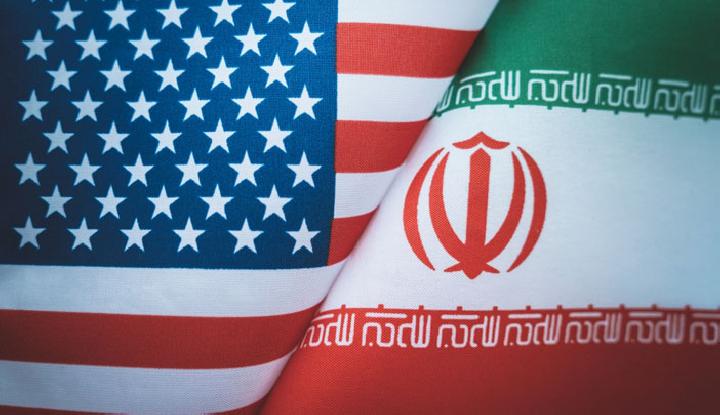
The comments highlighted growing tensions between Trump and Netanyahu, whose close political relationship has faced strain as Washington pursues a memorandum of understanding with Tehran. The agreement, expected to be formally signed in Switzerland on Friday, would launch a second phase of negotiations focused on Iran's nuclear program.
The dispute has increasingly centered on Lebanon. Iranian officials have argued that any broader understanding reached with Washington should apply across the region, including Lebanon. Israel, however, has rejected that interpretation.
In an interview with NPR's Morning Edition, Israeli Ambassador to the United States Yechiel Leiter said Israel has no intention of withdrawing its forces from southern Lebanon despite ongoing diplomatic efforts.
"We're not going to withdraw from South Lebanon, and the madmen of Tehran have no business poking their nose into this," Leiter said.
His comments echoed recent remarks by Israeli Defense Minister Israel Katz, who stated that Israel would not withdraw from Lebanon, Syria, or Gaza regardless of external pressure.
Leiter dismissed suggestions that the emerging US-Iran agreement would require Israeli concessions in Lebanon, saying the Trump administration had been "crystal clear" that the arrangement had "nothing to do with our withdrawal from South Lebanon."
The disagreement underscores uncertainty surrounding a proposed 60-day ceasefire framework that US officials say could create conditions for broader negotiations with Iran.
Trump's criticism of Netanyahu also reflects shifting political dynamics in the United States. While the president has long portrayed himself as one of Israel's strongest supporters, parts of his political base have become increasingly skeptical of prolonged US involvement in Middle East conflicts, particularly following the wars in Gaza and Iran.
Alan Eyre, a former US diplomat involved in previous Iran nuclear negotiations, said Netanyahu faces domestic political pressure to maintain a hard-line approach toward both Iran and Hezbollah.
"Netanyahu needs to maintain the war against Iran because he sees it as an existential threat and the war is popular in Israel," Eyre said. "If he can't attack Lebanon and Hezbollah, he's a dead man walking politically."
Despite his criticism, Trump reiterated his longstanding support for Israel and Netanyahu, while making clear that he expects greater caution from the Israeli government.
"Without the US, there would be no Israel. Without me, there would be no Israel because no other president was willing to do what I did," Trump said. "I have had a great relationship with Bibi. Now Bibi has to be more responsible with respect to Lebanon."
The ambassador also defended Israel's military operations against Hezbollah. Asked about the humanitarian impact of the conflict, which Lebanese authorities say has killed roughly 3,700 people and displaced around one million, Leiter maintained that Israeli forces were targeting militants.
"The people we've killed are Hezbollah terrorists," he said, adding that Israel does not target civilians.
Leiter said any future agreement involving Iran must include strict guarantees preventing Tehran from obtaining nuclear weapons, with verification measures allowing inspections "at any time, anywhere, under any circumstances."
As Washington moves closer to formalizing its agreement with Iran, the question of Lebanon's future appears set to remain a major source of friction between the Trump administration and one of its closest Middle Eastern allies.
Read: Trump Touts Iran Deal at G7 as Ukraine Divides Allies
Click here to get the latest news updates from Tempo on Google News