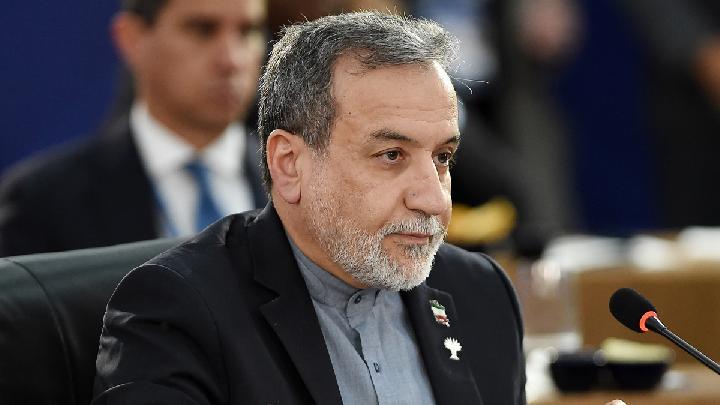
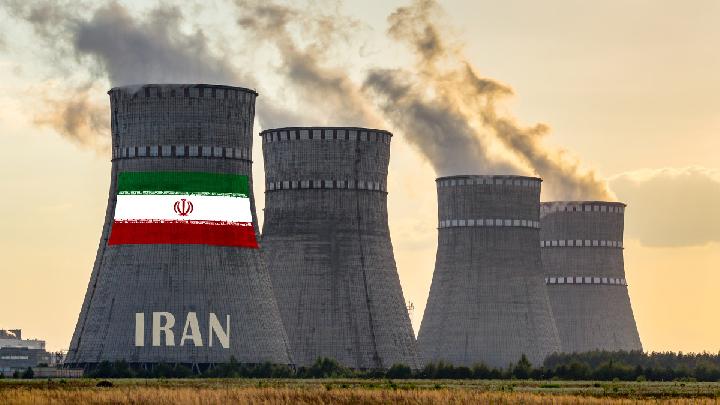
TEMPO.CO, Jakarta - The head of Iran's nuclear agency has ruled out accepting any restrictions on the country's uranium enrichment program when peace talks with the United States begin in Islamabad, Pakistan, on Friday.
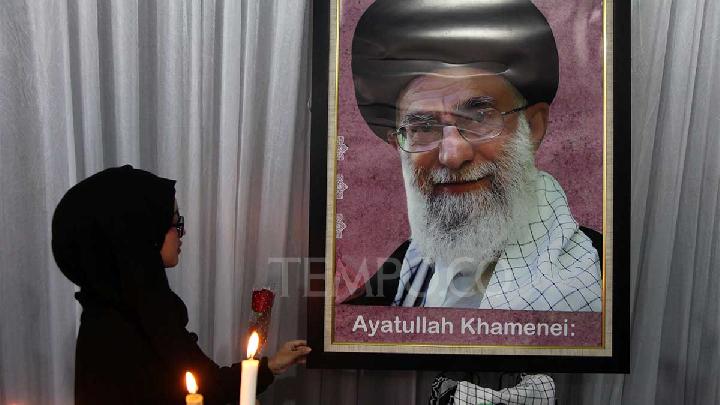
"The claims and demands of our enemies to restrict Iran's enrichment program are merely wishes that will be buried," said Mohammad Eslami, the head of the Atomic Energy Organization of Iran, during commemorations for the late Supreme Leader Ayatollah Ali Khamenei in Tehran on Thursday.
Acknowledgement of Iran's "right" to enrich uranium is one of the items listed in Tehran's ten-point plan for a permanent ceasefire. "It is one of the necessary [aspects] that nobody is talking about," Eslami said.
Iran's nuclear program: what do we know?
Iran began developing nuclear infrastructure in the 1960s and a program of uranium enrichment in the 1970s. It insists its enrichment of uranium is purely peaceful and geared solely towards nuclear energy for civilian use.
Regular nuclear power plants require uranium to be enriched to levels between 3.5 and 5 percent, as opposed to weapons-grade uranium which is enriched to over 90 percent. As of 2025, the International Atomic Energy Agency reported that Iran had just over 400 kilograms (882 lbs.) of 60 percent enriched uranium and estimated that it could potentially produce weapons-grade levels in less than three days.
In June 2025, the White House claimed that "Iran's Nuclear Facilities Have Been Obliterated," claims repeated by U.S. President Donald Trump on numerous occasions since. The New York Times reported last month, however, that U.S. intelligence services believe Iranian supplies of highly-enriched uranium could feasibly be retrieved from the ruins of the nuclear site Isfahan, which was bombed last June.
Read: Iran Suspects US Operation Was Cover for Uranium Theft
Click here to get the latest news updates from Tempo on Google News
Iran Sets Alternative Shipping Routes in Strait of Hormuz
2 jam lalu
Iran's IRGC announced new shipping routes in the Strait of Hormuz due to sea mine risks amid rising tensions with the U.S.
Iran Warns Israeli Strikes on Lebanon Would Render Talks with US 'Meaningless'
3 jam lalu
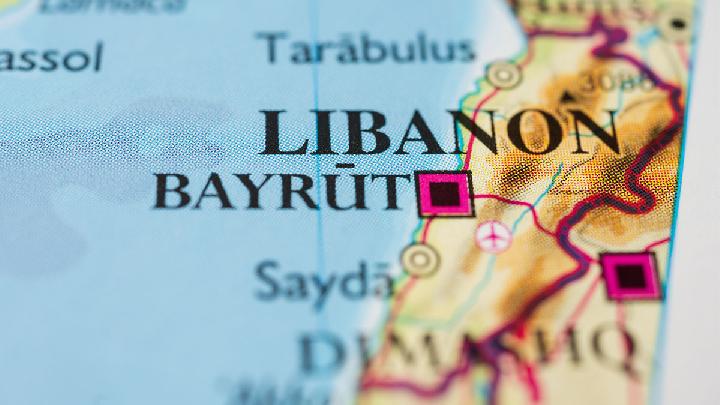
Iran's President Pezeshkian said Israeli strikes on Lebanon violate the ceasefire and risk making U.S. talks in Pakistan "meaningless."
List of Iran Allies: Nations Backing Tehran as War Threat Intensifies
5 jam lalu
For more than a month now, the world has been split into two, those aligned as Iran allies and others who are backing the United States.
Iran War: Who Gained Ground, Who Lost Influence
7 jam lalu
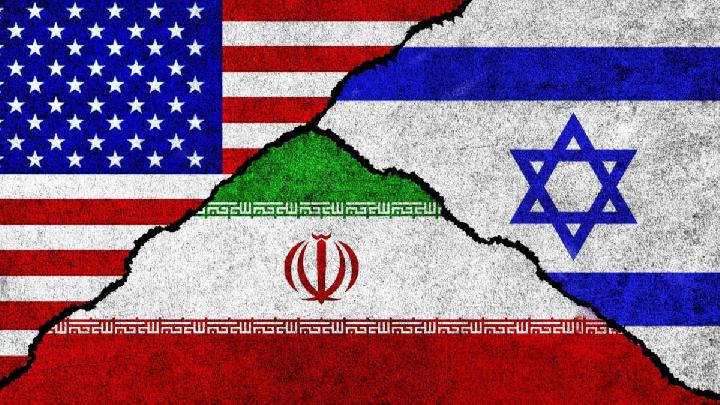
While civilians paid the highest price, the Iran war shifted power beyond the Gulf, boosting some countries' leverage while weakening others.
Trump Threatens 50% Tariffs on Nations Supplying Arms to Iran
8 jam lalu
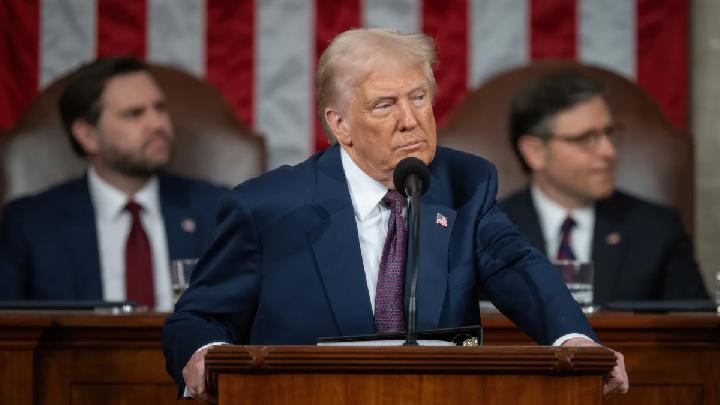
Just a day after the truce described as a "very productive regime change," Trump threatens 50% tariffs on countries supplying weapons to Iran.
UAE Ambassador Pushes for De-escalation Across Middle East
9 jam lalu
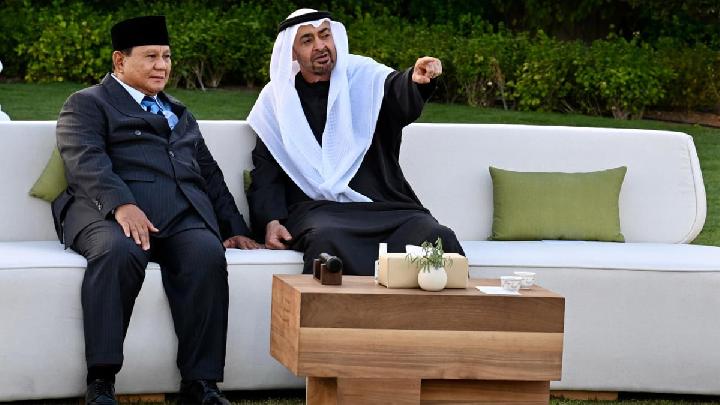
The UAE will continue working with its international partners, including Indonesia, to promote peace, stability, and prosperity.
Hajj Flight Routes Unaffected by Middle East Conflict, Says Minister
11 jam lalu
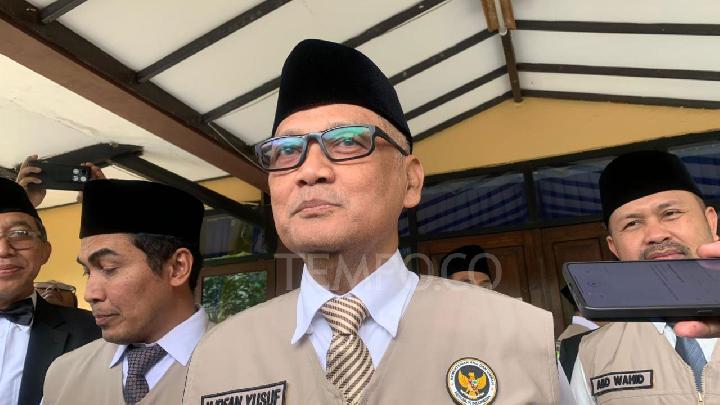
Hajj Minister Mochamad Irfan Yusuf confirms that flight routes for Indonesian pilgrims remain normal following a ceasefire between the US and Iran.
Israeli Massacre in Lebanon Brings Iran-US Truce to Brink of Collapse
11 jam lalu
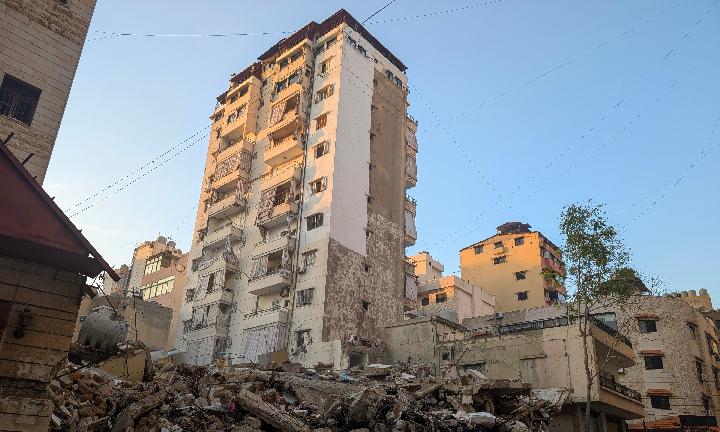
The ceasefire between Iran and the United States is at the breaking point following Israel's massive strikes on Lebanon.
Trump Criticizes NATO over Iran in Meeting with Rutte
14 jam lalu
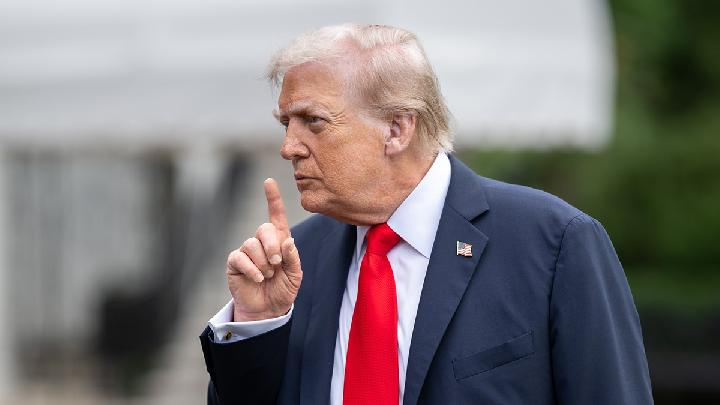
President Donald Trump said NATO "wasn't there" after the US and Israel launched attacks on Iran.
JD Vance Calls Lebanon Ceasefire Exclusion a 'Misunderstanding'
14 jam lalu

US Vice President JD Vance claimed on Wednesday that a cessation of hostilities in Lebanon was not part of the ceasefire agreement between US & Iran.