TEMPO.CO, Jakarta - Just as optimists sensed that the United States-Israel war with Iran was on the verge of winding down, the monthlong crisis takes yet another twist.
One moment, U.S. President Donald Trump warns Tehran there would be "no turning back" on escalated U.S. strikes, the next, he delays those threats to target Iranian energy facilities for a second time.
Iran, meanwhile, is allowing a small number of ships to pass through the Strait of Hormuz, while denying that any real ceasefire talks are taking place.
Most experts agree on one key point: the longer this conflict goes on, the more devastating its impact will be on the world's energy supplies, inflation, and economic stability. Every extra week of disruption raises costs for consumers and businesses while growth slows.
The Federal Reserve Bank of Dallas, part of the U.S. central bank system, predicted earlier this month that a three-month or longer closure of the strait would cause global GDP growth to slow by an annualized 2.9 percentage points in the second quarter of the year.
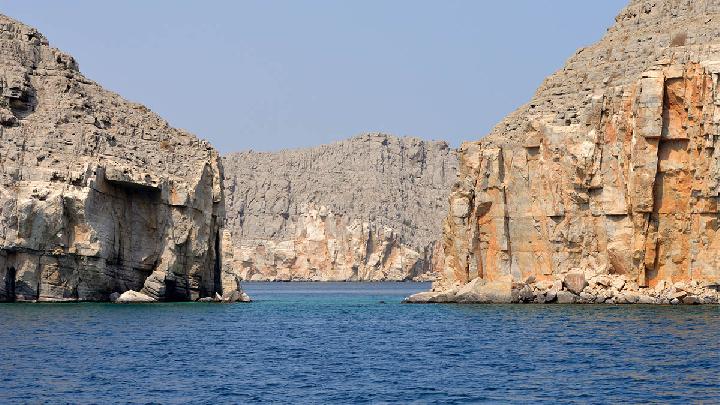
Whenever Hormuz — the chokepoint for 20 percent of global oil trade — does reopen, the speed at which oil and gas production and tanker traffic resume will shape how fast the global economy can recover.
Securing the Strait of Hormuz
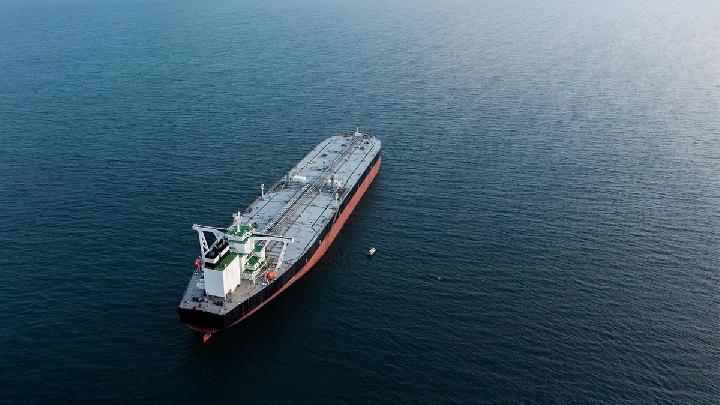
Shipping firms are unlikely to resume crossings through the strategic waterway until insurance premiums decline meaningfully and a credible multinational naval escort operation is in place. This could potentially involve U.S. Navy warships, air patrols and mine-clearing vessels.
European NATO allies, including Germany, France, and the United Kingdom, have signaled a willingness to join the patrols once the fighting has stopped. Japan, Australia, South Korea, Canada, the United Arab Emirates and Bahrain are also likely to participate.
Mine-clearing in the strait alone could take about two weeks, Bloomberg reported, citing Jennifer Parker, adjunct professor at the University of Western Australia Defense and Security Institute.
Once Hormuz is considered safe for navigation, the backlog of around 1,900 stranded vessels — half of them carrying oil, LNG or other chemicals — could be cleared within days to a few weeks, provided that crew shortages can be resolved.
"At this point, it's essentially a race to market," Aditya Saraswat, research director (Middle East & North Africa) at the Norway-based analytics firm Rystad Energy, told DW. He added that clearing the Hormuz backlog would give Gulf producers "a month of buffer" to ramp up production.
Logistical issues will remain, however. Before the war, around 130 to 140 vessels per day moved through Hormuz, but that flow will likely be significantly slower as long as naval patrols are required.
Gradual restart of oil and gas production
As well as reopening Hormuz, Gulf producers would need assurances that the security situation has stabilized across their oil and gas facilities. Even with a swift peace deal, analysts say restarting oil and gas production in many fields could take several weeks.
"A partially shut-in [oil] field takes on average about two to three weeks," Saraswat said, referring to some wells operating at reduced levels. "From a complete shutdown, you're looking at one-and-a-half months."
Saraswat added that the longer oil and gas facilities remain idle, the more thorough the maintenance inspections will need to be before restart.
Ramping up oil and gas production is like bringing an old car back to life after being parked for months. You have to carefully check and fix pipes, wells, pumps, processing plants and refineries for rust, blockages, water damage and safety issues.
According to the International Energy Agency (IEA), at least 40 critical Gulf energy sites have been “severely or very severely damaged" by Iranian strikes. Energy analysts have warned that some facilities, especially liquefied natural gas (LNG) plants, face repair timelines of multiple years.
Qatar says its Ras Laffan LNG complex, the world’s largest LNG production and export hub, may need up to five years to fully restore operations.
Before Iranian missile strikes caused extensive damage, Qatar supplied around a fifth of the world's LNG. Some 17 percent of the Gulf nation's LNG export capacity will now be missing from the market over the long term.
Once the oil and gas start flowing again, producers will gradually ramp up to full production and fix any remaining issues in refineries and pipelines. This could take anywhere from a few more weeks to several months, oil industry analysts say.
Restarting fertilizer production, container routes
Fertilizer plants will require similar safety checks before production can be restarted to help shore up global food security, already threatened by skyrocketing prices, forcing farmers to cut back on essential soil nutrients.
The Gulf is a critical supplier of nitrogen-based fertilizers, accounting for around 40 percent of global seaborne urea and a quarter of ammonia exports. Arab Gulf countries are also major producers of two ingredients used in phosphate production.
According to Josh Linville, vice president of fertilizer at the U.S. financial services firm StoneX, phosphate could prove more problematic than nitrogen fertilizers because of already-high production costs.
"Even if we start to see supplies getting better ... I don't think that we can handle much more price degradation before [phosphate manufacturers] shut down production. They're not going to produce it for a loss," Linville told the company's YouTube channel.
Container shipping, meanwhile, carrying goods produced in the Gulf region and from Asia to Europe, is also severely disrupted by the Hormuz shutdown, with dozens of vessels effectively stranded. Inbound traffic at Dubai’s Jebel Ali mega-port, the Middle East’s largest transshipment hub, has dropped noticeably since February 28, according to operator DP World.
Europe-bound container vessels face the additional hurdle of the Bab el-Mandeb Strait, at the southern entrance to the Red Sea. The strait remains open but is being avoided by most major shipping companies due to renewed threats by the Iran-backed Houthis. The rebels, based in Yemen, staged attacks on vessels in 2023-24 linked to Israel's war in Gaza.
Many carriers have rerouted services via southern Africa's Cape of Good Hope route, adding significant time and costs to journeys.
Germany's Kiel Institute for the World Economy (IfW) calculated that Gulf nations, including Iran, hold the largest global export share for 50 key non-mineral products, including steel, uncut diamonds, powdered gold and aluminum alloys. These exports are worth $773 billion per year.
Lingering impact on global inflation, supply chains
Even when Hormuz reopens and Gulf production begins to ramp up, the global economic fallout will not vanish overnight.
Consumers have quickly felt the effects of higher oil prices at the pump, while gasoline and diesel shortages have only just started to bite across Australia, Asia and Africa. Other critical supply chains, from fertilizers to consumer goods, are expected to face their own shortages within the next few weeks.
"The price disruptions have hit immediately; logistics disruptions will become more relevant [over the next 2 to 3 months]," Peter Klimek, director of the Supply Chain Intelligence Institute Austria, told DW.
If global manufacturing has to cut output due to the war, Klimek warned of a "stagflation scenario" of high prices, rising unemployment and weak economic growth, which he said may "take even longer to resolve."
Read: Global Trade at Risk Amid Threat of Bab-el-Mandeb Strait Closure
Click here to get the latest news updates from Tempo on Google News