
TEMPO.CO, Jakarta - A video claiming that kissing cats risks transmitting bacteria that can infect the human brain has circulated on WhatsApp, Instagram, and Facebook. The narration says the bacteria can infect the brain and alter a person’s behavior, making them more prone to anger.
The video narrator outlines six stages of infection, beginning with parasite eggs being transferred to the lips and hatching in the stomach. The parasite is then said to attack the immune system and build a nest in the brain to manipulate chemicals. “You become more irritable, reckless, and your reflexes slow down,” the video claims.
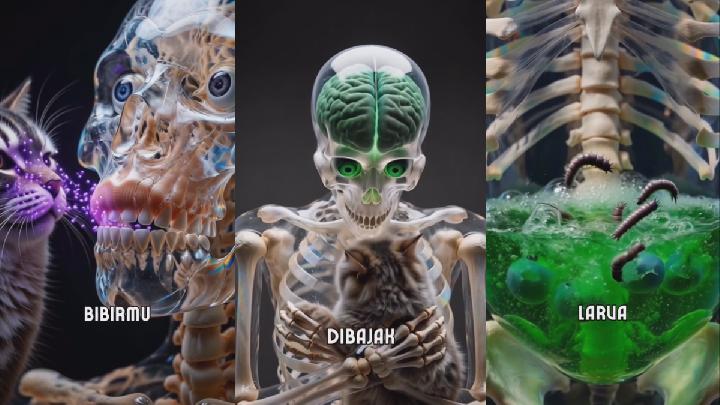
Tempo received a request from readers to verify the claim. But is it true that kissing cats risks a parasite hijacking the human brain?
FACT CHECK
Tempo’s Fact Check Team verified the claim through interviews with a veterinary expert and a review of medical data. The result: while cats are hosts of the Toxoplasma parasite, transmission to humans occurs through feces, not through physical contact such as kissing. This infection is also more likely to affect women’s reproductive health than to cause brain disorders.
Siti Gusti Ningrum, a lecturer at the Faculty of Veterinary Medicine at Wijaya Kusuma University Surabaya, stressed that cats are the primary hosts of the Toxoplasma parasite. However, she said the parasite can be transmitted if feces from an infected cat are accidentally ingested by humans. The impact of the infection is not an attack on the brain, but rather a risk of disrupting women’s reproductive health.
“Therefore, it is very important to always maintain cleanliness, especially by washing your hands after handling cats. Activities such as kissing cats are considered harmless as long as hygiene is maintained,” Siti told Tempo on Wednesday, March 18, 2026.
Although cats often lick their anus, the natural defense system in a cat’s saliva and tongue also helps minimize the spread of germs.
Cornell University College of Veterinary Medicine notes that toxoplasmosis is caused by the parasite Toxoplasma gondii. Cats can contract Toxoplasma by eating rodents, birds, or anything contaminated with feces from other infected animals. Infected cats can shed the parasite in their feces for up to two weeks.
After being excreted in feces, the parasite must mature for one to five days before it can cause infection. However, the parasite can survive in the environment for months and continue contaminating soil, water, gardens, litter boxes, or any place where an infected cat has defecated.
Humans are most often infected by consuming raw meat, unwashed vegetables, or contaminated soil. Most infected people do not show severe symptoms, except for those with weakened immune systems or in pregnancy cases.
Symptoms of toxoplasmosis include flu-like muscle aches and fever, as well as headaches. In rare cases, more severe symptoms may occur, such as confusion, seizures, vomiting, or diarrhea.
Basic hygiene can prevent the spread of Toxoplasma from cats to humans. Wear gloves when handling potentially contaminated materials, such as when gardening or cleaning a cat litter box.
If you notice symptoms of illness in a pet, you are advised to contact a veterinarian. However, even cats that appear healthy can spread germs to humans and other animals.
You are also advised to immediately clean up urine, feces, or vomit at home. Be sure to wash your hands thoroughly after cleaning animal waste.
CONCLUSION
Tempo’s verification concludes that the claim that kissing cats risks a parasite hijacking the human brain is misleading.
Cats are the definitive hosts of the Toxoplasma parasite. However, transmission to humans occurs through feces, not directly through ordinary contact such as kissing other parts of a cat’s body.
In addition, if feces containing the parasite are accidentally ingested by humans, the impact is not an attack on the brain.
TEMPO FACT-CHECK TEAM
**Do you have information or claims that you want to have fact-checked? Contact our ChatBot. You can also send criticism, objections, or feedback for this Fact-Checking article via email to [email protected].