TEMPO.CO, Jakarta - A coalition of civil society groups has rejected a government plan to add new tiers to Indonesia’s tobacco excise system, warning it could undermine public health goals and open new avenues for corruption.
The Coalition Save Our Surroundings (SOS), which includes the Center for Indonesia’s Strategic Development Initiatives (CISDI), Seknas FITRA, and Indonesia Corruption Watch, criticized a proposal by Finance Minister Purbaya Yudhi Sadewa to expand the number of excise tariff layers on tobacco products.
The coalition said the policy contradicts the main function of excise, which is to control consumption rather than primarily increase state revenue.
Seknas FITRA researcher Gurnadi Ridwan said using excise to cover gaps in the state budget, or APBN, is misguided.
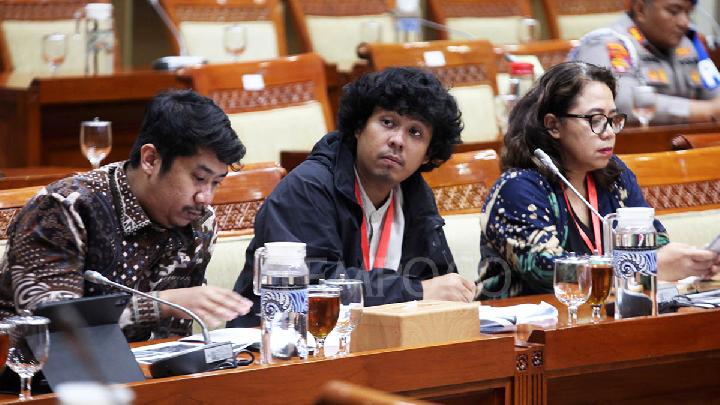
“The current condition of the state budget cannot justify adding new excise layers in the name of boosting revenue,” he said during a virtual press conference on April 30.
Purbaya has proposed adding a new tier to the existing eight-layer tobacco excise structure, aiming to encourage illegal cigarette producers to enter the formal market by paying excise duties.
However, CISDI has recommended simplifying the current structure instead. Its Health Economics Research Associate Muhammad Zulfiqar Firdaus said a more complex tariff system allows manufacturers to produce a wider range of cigarette variants, making it easier for consumers to switch to cheaper products, a phenomenon known as “downtrading.”
“The creation of a new layer could further encourage downtrading,” he said.
Zulfiqar also questioned the effectiveness of the policy in formalizing illegal producers, warning it could create uncertainty rather than incentives.
“It is unclear whether opening a new tariff layer will actually bring illegal producers into the legal market,” he said.
CISDI also suggested the proposal carries political overtones, as it could open room for compromise with illegal cigarette businesses and potentially undermine efforts to reduce smoking prevalence in Indonesia.
Meanwhile, Indonesia Corruption Watch (ICW) said the plan fails to address the root problem, namely weak oversight and law enforcement in the tobacco sector.
ICW researcher Seira Tamara warned that introducing new, lower-rate excise tiers could create fresh opportunities for corruption, particularly through manipulation of product classifications.
“Instead of encouraging illegal producers to become compliant, this policy risks creating new avenues for corruption,” she said.
She added that the measure could have broader societal impacts, including increased access to cheap cigarettes, moral hazard, and long-term health and economic costs.
Purbaya has said the policy is targeted for implementation as early as May 2026, allowing the government to quickly boost revenue while cracking down on illegal cigarettes.
“We want it in place by May at the latest, so revenue can start coming in and we can effectively ban illegal cigarettes,” he said, as quoted by Antara.
Read: Prabowo Defends MBG: What's Wrong with Funding the People?
Click here to get the latest news updates from Tempo on Google News