Increasing fuel prices and reducing spending on high-budget programs, such as the free nutritious meal project, are the only ways to save the state budget.
THE response of the Prabowo Subianto administration to the energy crisis resulting from the Israel-United States war on Iran is disappointing and should be criticized. The government is giving the impression that it wants to reassure the people by claiming that Indonesia remains far from crisis. But the rhetoric and actions of its officials are inconsistent and, frankly, a shambling.
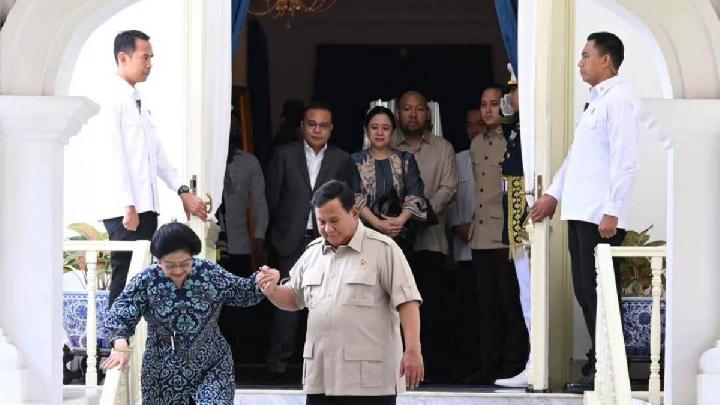
Prabowo, for example, has urged the public to reduce fuel consumption. He has ordered a halving of domestic official travel and a 70 percent cut in overseas travel. But he has not set a good example. In late March, Prabowo made state visits to Japan and South Korea that did not produce any convincing results.
The government's plan to limit fuel use is at odds with its goal of austerity. The government, for example, has limited the purchase of gasoline for private vehicles to 50 liters per day—a figure that is too high for the daily domestic consumption of Indonesians. It is easy to predict that this will do nothing to reduce the consumption of gasoline or diesel.
Similarly, implementing a work-from-home (WFH) policy one day a week for civil servants will not significantly dent fuel consumption. There has been no convincing simulation of its effectiveness. Its efficiency is even more dubious given that many civil servants do not commute in private vehicles. Furthermore, there is no guarantee they won’t be out and about on their designated WFH days.
And setting Friday as the day for civil servants to work from home could even lead to a rise in energy consumption because officials could use the extra day to take a long weekend break. The government estimates the savings from the working-from-home program at Rp6.2 trillion (US$365 million), stemming from a reduction in fuel compensation payments that would no longer need to be disbursed to Pertamina.
It is difficult to be certain that these measures can plug the holes in the state budget, which has been strained by the need to increase the allocation for energy subsidies and compensation funds. Currently, the government must add about Rp100 trillion (US$5.9 billion) to energy subsidies alone. This excludes the compensation owed to Pertamina to cover the gap between the production or procurement costs and the retail price paid by the public.
The longer the war in Iran drags on, the higher the price Indonesia must pay. While the government has slashed ministries' and agencies' budgets by Rp130 trillion (US$7.65 billion) to bolster subsidies and compensation funds, fiscal capacity to withstand soaring global oil and gas prices has its limits. For now, forget the impact of those budget cuts; potholes and clogged drains will simply have to wait.
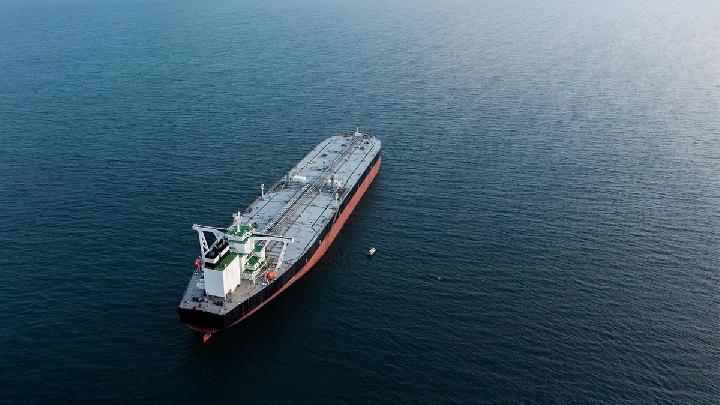
The argument that Indonesia’s fuel stocks are safe because imports don't solely originate from the Middle East is misleading. It is true that crude oil from Saudi Arabia—which passes through the Strait of Hormuz—accounts for only 19 percent of Indonesia’s import needs, 326,000 barrels per day. The rest comes from Africa and Australia.
And there are fuel imports from Malaysia and Singapore that make up almost 40 percent of Indonesia's gas and diesel needs. These two nations are traders that purchase crude from Iraq, Saudi Arabia, and the United Arab Emirates before selling the refined product to us. Those shipments must still navigate the Strait of Hormuz.
So, giving a false sense of security is clearly foolish. If the conflict persists, supplies of crude and fuel will tighten. Currently, national fuel reserves are only sufficient for 22–23 days.
Jokowi: World Facing Triple Crisis and Potential Ripple Effect
1 hari lalu

Former President Jokowi has warned that the global landscape is under intense, multi-layered pressure.
House Urges Government to Adjust Fuel Prices
1 hari lalu
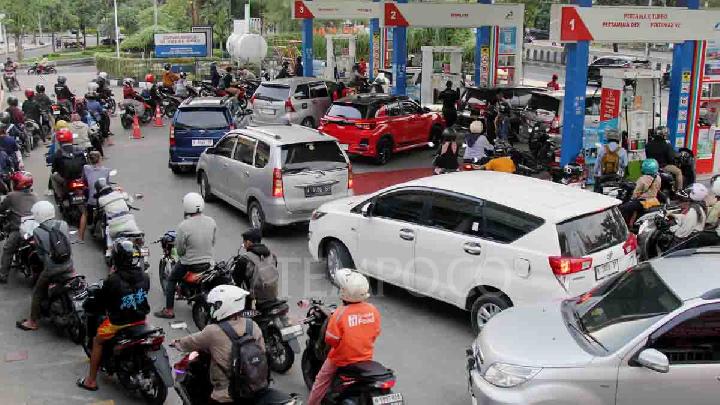
A House member argued that a fuel price adjustment should be viewed as a strategic policy rather than a simple price hike.
Australia Offers Interest-Free Loans to Businesses Hit by Fuel Price Surge
3 hari lalu
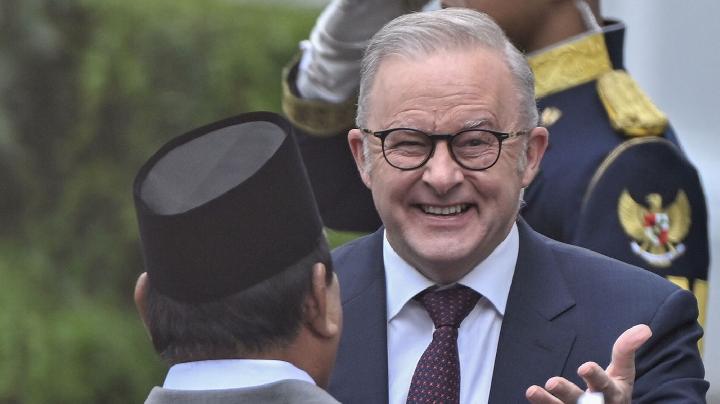
Australian PM Anthony Albanese on April 2 announced A$1 billion (US$693 million) in interest-free loans for key businesses hit by soaring fuel prices.
Purbaya to Add Rp100 Trillion to Indonesia's Energy Subsidies
4 hari lalu
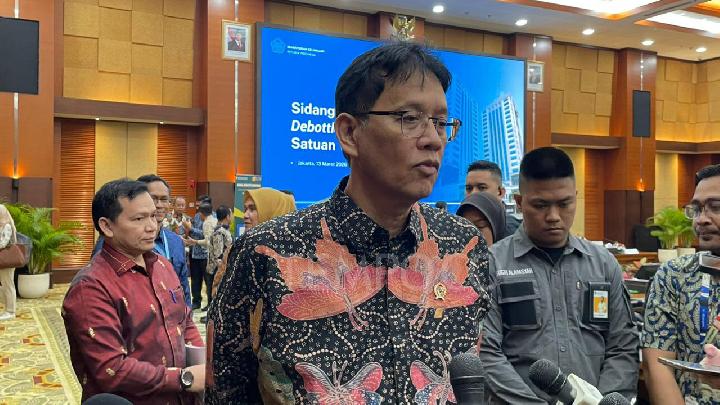
Purbaya said the additional allocation would go to energy subsidies, including 3-kg LPG and diesel, not compensation payments.
Indonesia Keeps Fuel Prices Steady as Pertamina Absorbs Cost of Oil Surge
4 hari lalu

Purbaya said Indonesia will keep non-subsidized fuel prices unchanged for now, with Pertamina temporarily absorbing the impact of soaring oil prices.
Indonesia's Fuel Supply Stable as Southeast Asia Reels from Iran Tensions
4 hari lalu
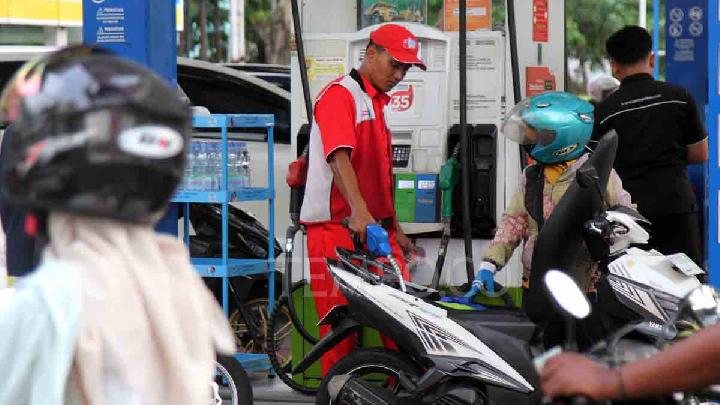
Indonesian fuel reserves and fiscal ability remain safe amidst global uncertainty triggered by the Middle East war.
Russian Oil Tanker Docks in Cuba, First Since US Blockade
4 hari lalu
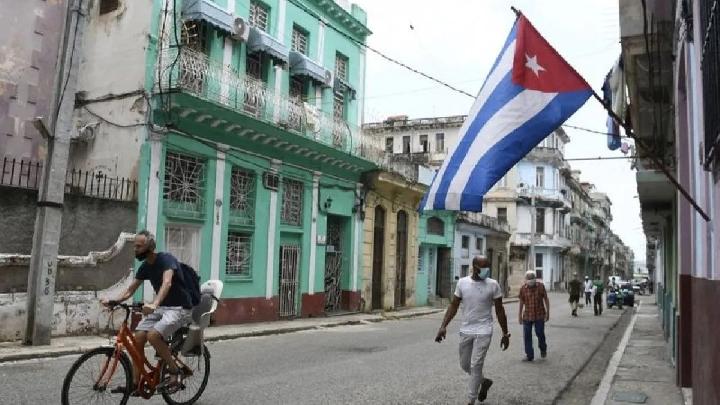
The tanker carrying some 730,000 barrels of crude oil is sanctioned by the US, the EU and the UK amid the war in Ukraine.
Indonesia Enacts Budget-Saving Measures to Offset Middle East War Impacts
5 hari lalu
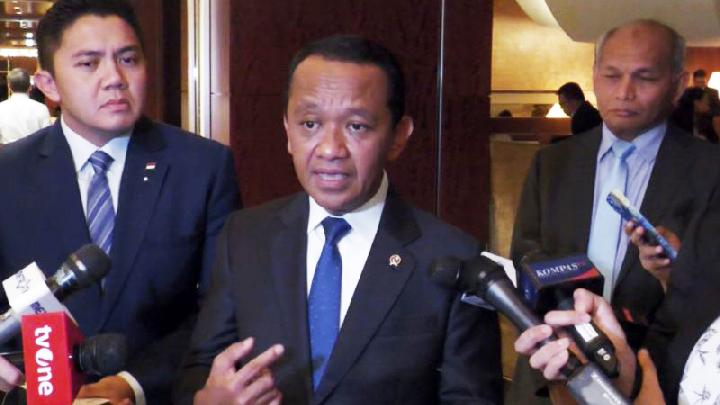
Indonesia has announced a number of budget-saving policies such as WFH and fuel caps to anticipate the impact of the Middle East war.
Indonesia Caps Fuel Purchases at 50 Liters Per Day Per Vehicle
5 hari lalu
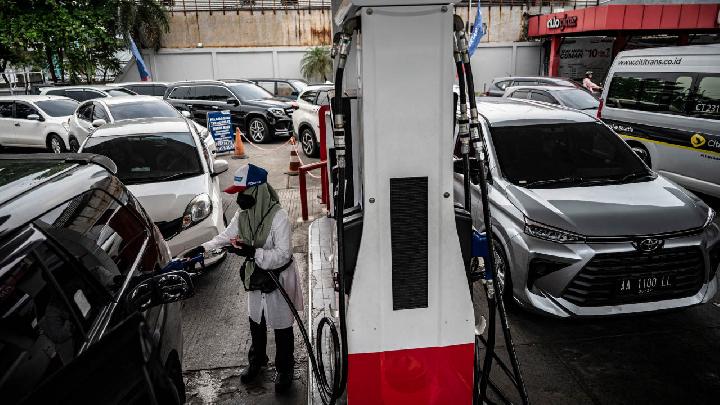
Indonesian Minister has urged the public to use fuel wisely, filling 50 liters of fuel per day for each car.
Indonesia Prepares Social Assistance Boost Amid Fuel Price Pressures
5 hari lalu

Minister Saifullah Yusuf says social assistance aims to sustain purchasing power and growth.