
TEMPO.CO, Jakarta - Despite decades of efforts to diversify energy supplies, many countries that depend on Middle East oil remain deeply tied to the region’s exports.
Limited access to alternative energy sources and import partners has kept their reliance high, with some nations becoming even more dependent over time.
According to the 2024 IEA World Energy Statistics, smaller economies dominate the list of countries with the greatest dependence on Middle East oil.
Eritrea and Madagascar lead the ranking, while several other nations across Africa and Asia also continue to rely heavily on the region to meet their energy needs.
Which countries depend on Middle East oil the most?
- Eritrea - 91%
- Madagascar - 89%
- Pakistan - 78%
- Japan - 77%
- Kenya - 77%
- Taiwan - 63%
- Korea - 57%
- South Africa- 54%
- Tanzania- 53%
- Namibia - 50%
- Sri Lanka - 50%
- Thailand - 50%
- India - 45%
- Lithuania - 40%
Based on the data, the countries with the greatest influence on global energy markets are concentrated in Asia. Japan ranks fourth overall, with Middle Eastern imports accounting for 77% of its domestic oil consumption.
Other major Asian economies also maintain strong ties to the region’s oil supplies. Taiwan sources 63% of its oil from the Middle East, followed by South Korea at 57%, India at 45%, and China at 38%.
The prominence of East Asia among countries that depend on Middle East oil underscores a fundamental energy challenge: many of the region’s largest economies consume far more oil than they can produce domestically.
To fuel transportation networks, manufacturing industries, and petrochemical sectors, East Asian countries continue to rely heavily on imports from the Middle East, the world's leading crude oil export region.
Beyond energy consumption, the rankings also highlight how exposed some nations are to geopolitical risks. Much of the oil exported from the Middle East travels through key maritime chokepoints such as the Strait of Hormuz.
According to Visual Capitalist, any disruption along these corridors can quickly ripple through global energy markets, particularly for countries that rely heavily on Middle Eastern supplies.
Although global oil trade networks can adapt over time, not all countries are equally positioned to weather supply shocks. Nations with diverse import sources or substantial domestic production typically enjoy greater energy security, giving them more flexibility when markets become volatile.
For a closer look at how global crude shipments move through one of the world's most critical maritime chokepoints, and which economies could face the greatest disruptions in the event of supply shocks, read our coverage of the Straits of Hormuz oil trade by country here.
Read: Top Global Oil Companies Ranked by Market Value in 2026
Click here to get the latest news updates from Tempo on Google News
JD Vance Warns Israel as Trump Pushes Forward Iran Deal
5 jam lalu

JD Vance's warning to Israel may prove one of the most consequential public statements ever delivered by a senior US official.
ASEAN Seeks Stronger Regional Resilience Amid Middle East Conflict
20 jam lalu

The conflict between Iran and the United States in the Middle East provides ASEAN with an opportunity to increase regional energy and food security.
G7 Summit Closes Without a Final Communique
5 hari lalu
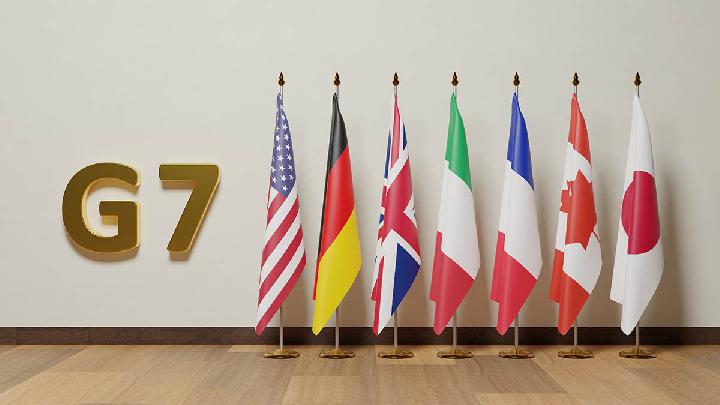
The previous G7 summit led by Canada in 2025 also ended without a final communique.
8 People Dead After B-52 Bomber Crashes at US Military Base
7 hari lalu

The aircraft crashed at California's Edwards Air Force base. An investigation is now underway into the cause of the disaster.
Iran-US Deal: What Are the Main Sticking Points?
10 hari lalu

Trump says the US and Iran could be close to a breakthrough, as DW looks at progress so far and the main risks and challenges ahead.
Indonesia in Talks With Iran Over Pertamina Tankers Stuck Near Hormuz
11 hari lalu
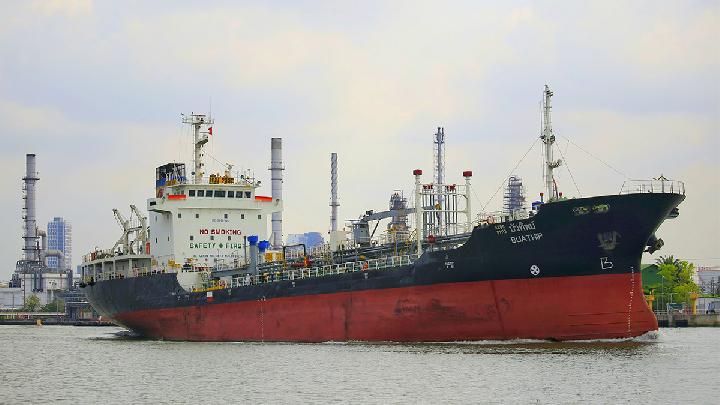
The two Pertamina-operated tankers remain in the Arabian Gulf as security concerns prevent their passage through the Strait of Hormuz.
ICANN Relocates Global Internet Forum to Bali from Oman
12 hari lalu

The ICANN87 Annual General Meeting (AGM) is scheduled to take place on October 17-22, 2026.
Rupiah Weakens to 18,129 per US Dollar, JCI Drops 4%
15 hari lalu
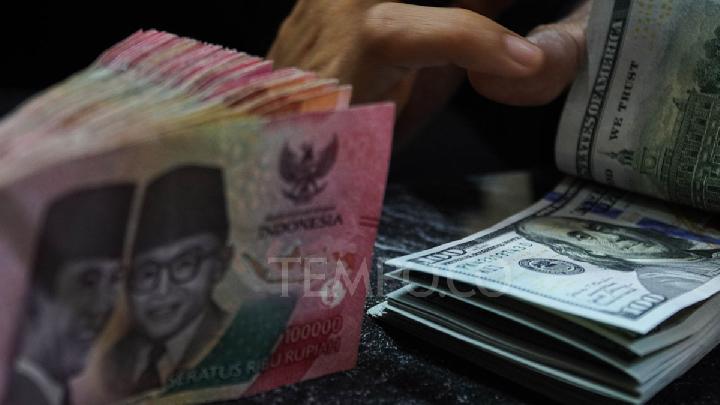
The exchange rate of the rupiah weakened in the morning of Monday, June 8, 2026. The domestic stock market index also opened in the red zone.
Rupiah May Reach Rp19,000 per USD by End of June, Says Analyst
16 hari lalu
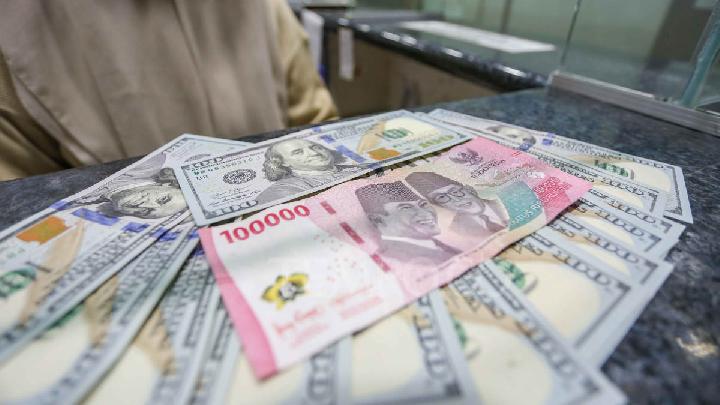
Director of PT Traze Andalan Futures, Ibrahim Assuaibi, predicts the exchange rate of the rupiah to continue weakening to 19,000 per US dollar by the end of June.
Rupiah Weakens Further to Rp17,926 per Dollar
20 hari lalu
Analyst said rising oil prices increase Indonesia's demand for U.S. dollars to finance energy imports, adding further pressure on the rupiah.